



More Than a Degree: How Student Life at Nile University Builds Leaders, Skills, and Confidence
By Ahmed Saleh, Acting Marketing Director and Executive Director of Innovation and Entrepreneurship at Nile University
How Student Life at Nile University Builds Leaders
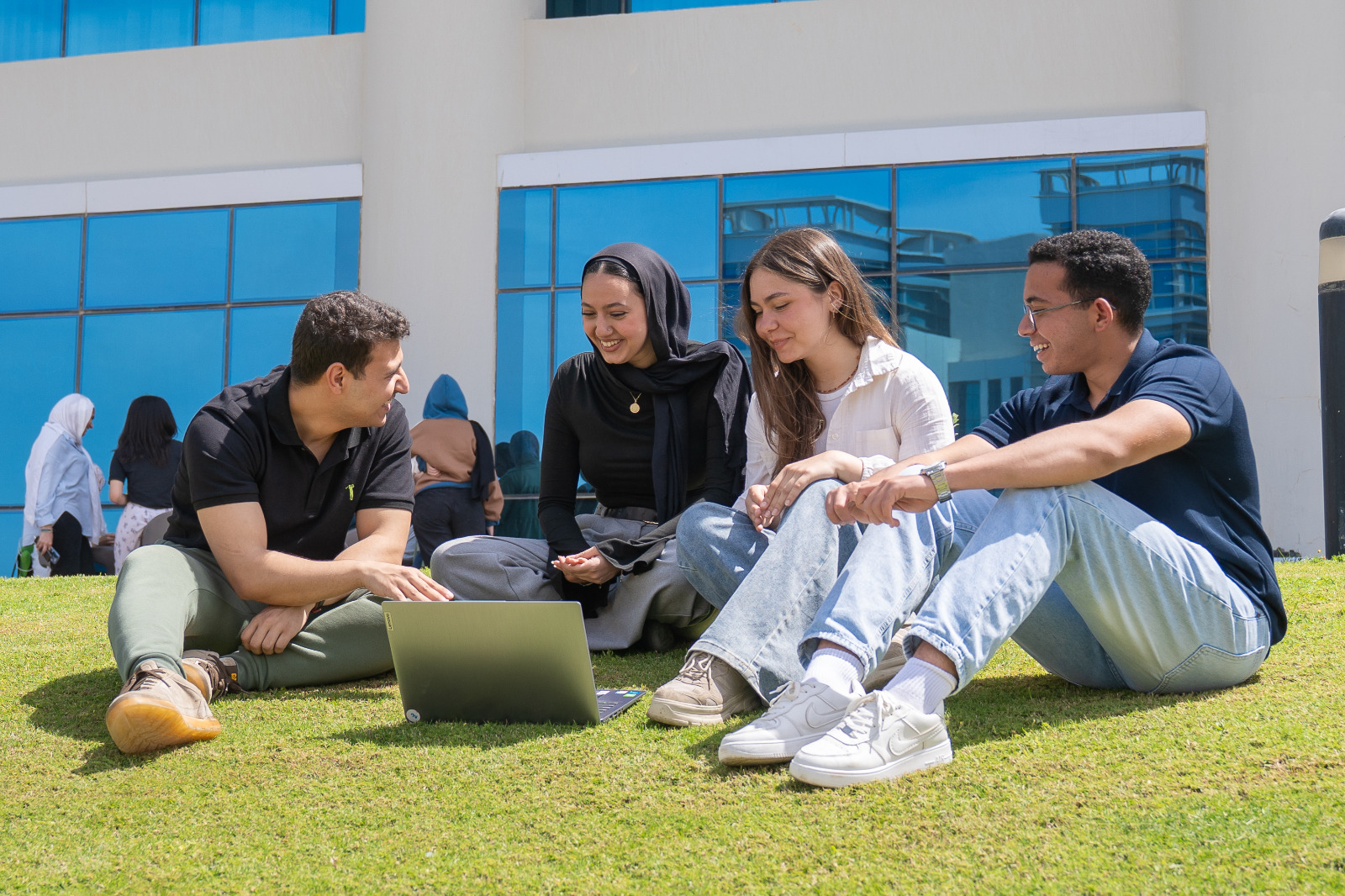
Ask any parent what they want from a university, and “good grades” is rarely the real answer. What you actually want is a capable, confident young adult who can work with people, solve problems, and stand on their own feet after graduation. Here’s the part that surprises many families: a lot of that growth happens outside the lecture hall, in the clubs, teams, and events students run themselves.
At Nile University, that side of campus is busy. There are more than 20 student clubs across six areas, from technology and entrepreneurship to arts, sports, community service, and global engagement, plus an elected Student Union. It’s easy to see these as “extra.” They’re not. They’re where four things parents care about most get built. And they matter more than they used to: the World Economic Forum’s Future of Jobs Report 2025 ranks skills like leadership, resilience, and collaboration among the fastest-rising things employers want, exactly the skills a degree alone doesn’t teach.
1. Leadership your son or daughter actually practices
You can’t learn leadership from a textbook. You learn it by being responsible for something real, with other people counting on you.
NU’s Student Union is fifteen elected students who plan and run programs for the whole campus, which is real governance with real accountability. Chapters like AIESEC and Enactus NU put students in charge of international exchanges and social-impact ventures. NIMUN, the university’s Model United Nations, has students chairing debates and negotiating like diplomats. TEDxNU is entirely student-organized, from booking speakers to filling a hall.
The pattern is the same across every club: someone has to lead the team, set the agenda, manage a budget, and answer for the result. A student who spends a year as a club president or project lead arrives at their first job already knowing how to run a meeting, delegate, and carry responsibility. That’s leadership earned, not claimed.
2. Real-world skills that don’t fit on a transcript
Clubs are where classroom knowledge meets a real deadline.
On the technical side, IEEE NU, RPM, GDSC (the Google Developer Student Club), and the ICPC programming teams build projects, enter competitions, and ship things that have to actually work. Wessal NU partners with companies and organizations to solve community problems, so students practice working with real stakeholders. The E-Club gives aspiring founders a place to test ideas. Student magazines like Nutshell and Insider NU train writing and editing, and Pixels NU and Bena Art develop design and visual skills.
There’s range beyond the headline clubs, too. The NU Book Club and Speaking of English sharpen reading and communication, and Trojan NU and the Eagles Club give students more arenas to test themselves. The point isn’t the logo on the jacket. It’s that whatever your son or daughter is drawn to, there’s a place to practice it for real.
Global exposure is part of the mix as well. AIESEC runs international exchanges, and NIMUN simulates the United Nations, so students work across cultures, languages, and viewpoints. For a generation entering a connected job market, that comfort with difference is itself a skill.
Then there’s the bridge to employment. The Graduate Starter Pack (GSP) club helps students build CVs, prepare for interviews, and connect with employers. By graduation, they have more than a transcript. They have a portfolio of things they’ve built, organized, or fixed, and the vocabulary to talk about it in an interview.
3. Confidence, the quiet game-changer
For a lot of students, the biggest change over four years isn’t what they know. It’s who they’ve become. Confidence is built by doing slightly scary things in a supportive place, over and over.
NU Black Theater puts students on a stage in front of an audience. NUMC, the music club, performs at concerts and shows. Speaking of English gives students low-stakes practice at public speaking, and Model UN throws them into live debate. On the sports side, NU Pack, the Chess Club, and the Eagles Club teach the everyday confidence that comes from competing, losing sometimes, and showing up again.
None of this is on the syllabus, and all of it shows. The quiet first-year who joins the theater club or runs for a committee seat is often a different person by graduation: comfortable speaking up, presenting, and handling pressure. That’s the trait interviewers notice in the first five minutes.
4. Practicality: running something like it’s real
Here’s what ties it together. A serious club at NU operates like a small organization. It has members to recruit, a calendar to keep, sponsors to win, money to manage, and events that either happen or don’t. Students feel the weight of that, and they learn the most practical lesson of all: ideas are easy, execution is hard, and finishing matters.
Think about what running a single event demands: a plan, a team, a budget, sponsors to persuade, a venue, a date that won’t move, and an audience expecting something worthwhile. A student who has done that a few times has rehearsed the core of almost any professional job long before their first salary.
Competitions sharpen it further. Teams that enter ICPC or take projects to national and international events learn to perform under real pressure against real rivals. The result is a graduate who doesn’t just know things, but can get things done, which is precisely what employers mean when they say they want “work-ready” hires.
What this means for you as a parent
You don’t need your son or daughter to join everything. One or two clubs they genuinely care about will do more than ten they joined for the CV. The signs to look for are simple: are they taking on responsibility, are they building or organizing something real, and are they being stretched a little outside their comfort zone? If yes, the growth takes care of itself.
When your son or daughter comes home talking about a project deadline, an event they’re running, or a competition next month, that’s not a distraction from their degree. That’s the degree doing its fuller job.
The bottom line
A strong academic program gives a student knowledge. Student life is where that knowledge turns into leadership, capability, and confidence, the qualities that decide how far a graduate actually goes. At NU, both are happening at once, on the same campus, every week.
If you’d like to see it for yourself, explore NU’s student life and student activities, and make the time to visit campus so your son or daughter can feel the energy of it firsthand.