



Publications
Publications
Filter by
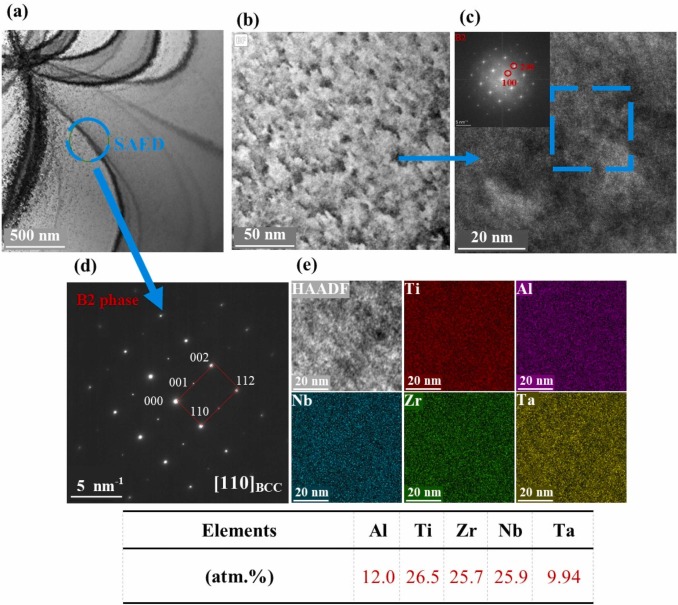
Development of low-density AlNbTaTiZr refractory high-entropy-intermetallic-alloy: Microstructural evolution, mechanical properties, and high-temperature deformation
This study investigates the structural evolution, mechanical properties and high-temperature performance of a novel low-density refractory high entropy intermetallic alloy (RHEIA); Al12Nb25.5Ta8.5Ti27.5Zr26.5. The alloy was prepared by vacuum arc melting, homogenized and subjected to various heat treatments at 600°C, 800°C and 1000°C. The resulting microstructure was revealed using scanning
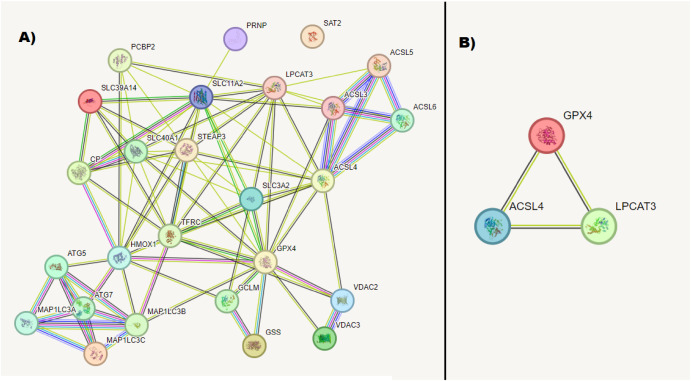
Innovative approaches to metabolic dysfunction-associated steatohepatitis diagnosis and stratification
The global rise in Metabolic dysfunction-associated steatotic liver disease (MASLD)/Metabolic dysfunction-associated steatohepatitis (MASH) highlights the urgent necessity for noninvasive biomarkers to detect these conditions early. To address this, we endeavored to construct a diagnostic model for MASLD/MASH using a combination of bioinformatics, molecular/biochemical data, and machine learning
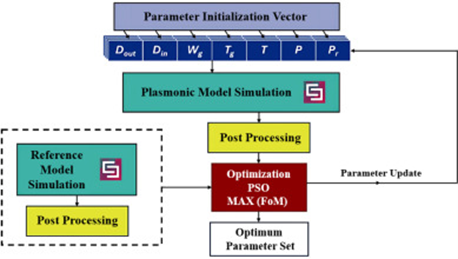
Analysis of plasmonic nanoparticles effects on the performance of perovskite solar cells through surface recombination and short-circuiting behaviors
Plasmonic photovoltaics integrate nanoparticles into the active layer to enhance power absorption. However a gap exists between simulated and experimental IV characteristics. Fabrication studies have attributed the issues to fabrication resolution, and recombination with no detailed step-by-step characterization. To address this issue, the paper presents a comprehensive optical and electrical

Hands-on analysis of using large language models for the auto evaluation of programming assignments
The increasing adoption of programming education necessitates efficient and accurate methods for evaluating students’ coding assignments. Traditional manual grading is time-consuming, often inconsistent, and prone to subjective biases. This paper explores the application of large language models (LLMs) for the automated evaluation of programming assignments. LLMs can use advanced natural language
Development of hepatocellular carcinoma organoid model recapitulating HIF-1A metabolic signature
Hypoxia is one of the main hallmarks of hepatocellular carcinoma (HCC) resulting from improper oxygenation and insufficient nourishment of the HCC microenvironment. The effect of hypoxia is mediated by hypoxia-inducible factor-1A (HIF-1A) via targeting various downstream pathways, including glycolysis, angiogenesis, and survival signaling. However, HCC cell lines in a 2-dimensional (2D) setting do
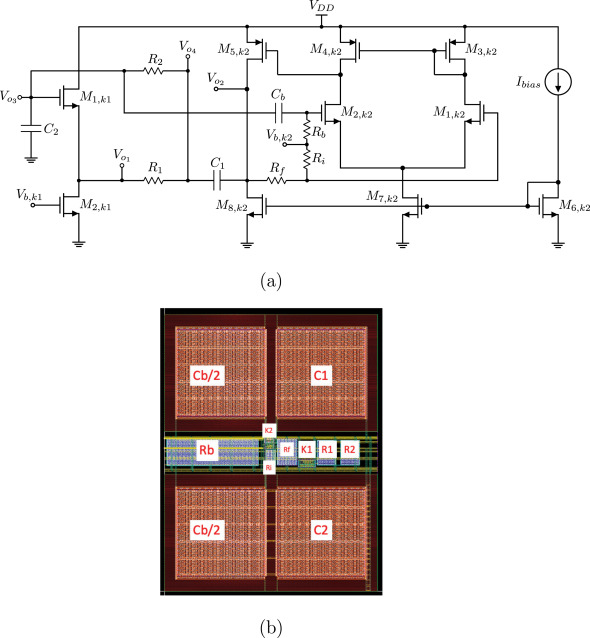
Review and novel contributions to amplifier-based oscillator design
This paper reviews amplifier-based oscillator topologies and introduces new ones while reporting all possible circuits that can be obtained from some of them using exhaustive searching. Second-order as well as third-order RC and RLC oscillators are reported and selected circuits are designed and experimentally verified. Incorporating non-ideal and nonlinear effects into the modeling of these
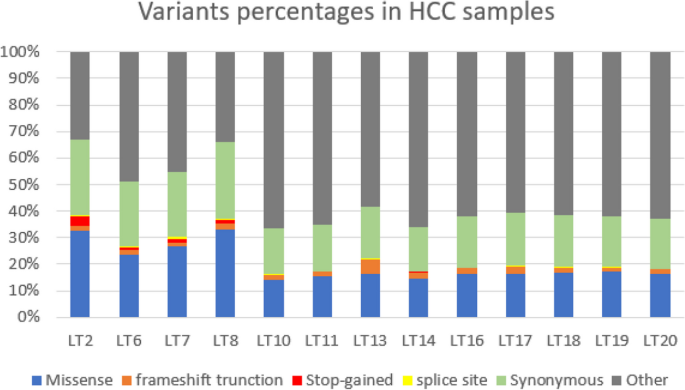
Genomic landscape of hepatocellular carcinoma in Egyptian patients by whole exome sequencing
Background: Hepatocellular carcinoma (HCC) is the most common primary liver cancer. Chronic hepatitis and liver cirrhosis lead to accumulation of genetic alterations driving HCC pathogenesis. This study is designed to explore genomic landscape of HCC in Egyptian patients by whole exome sequencing. Methods: Whole exome sequencing using Ion Torrent was done on 13 HCC patients, who underwent surgical
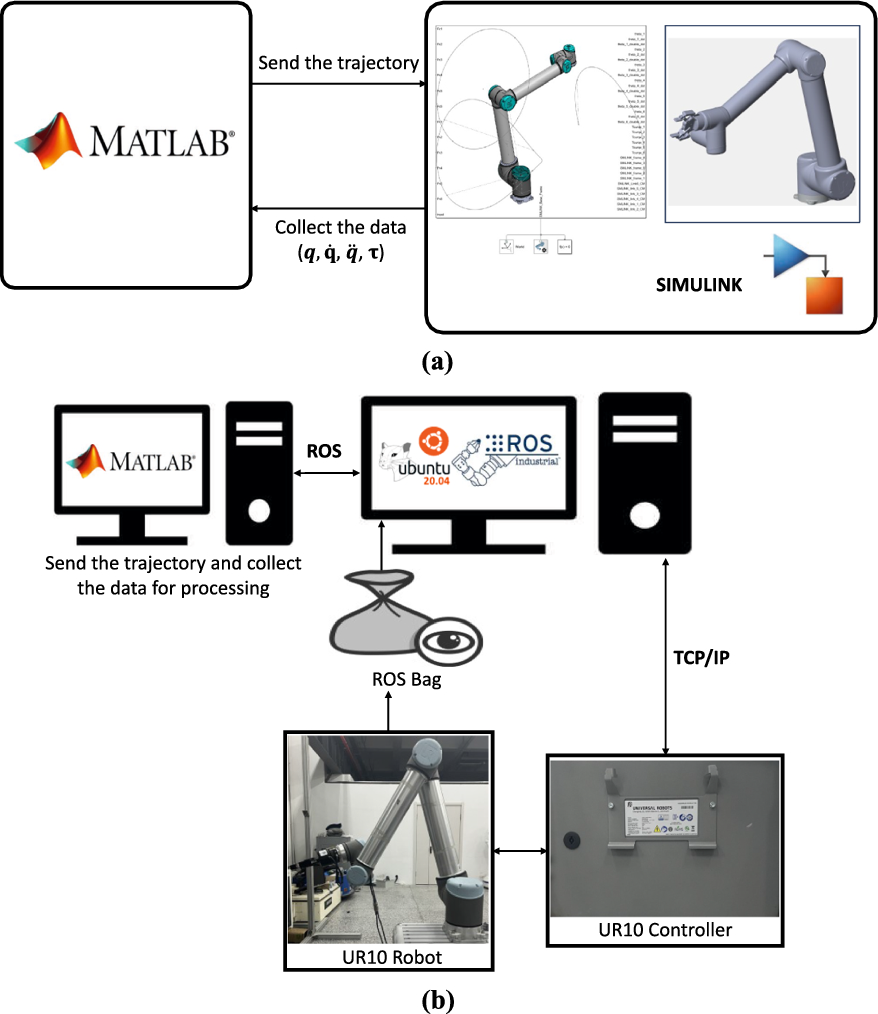
Robust data-driven dynamic model discovery of industrial robots with spatial manipulation capability using simple trajectory
Industrial standard model-based controllers need an accurate dynamic model to perform reliably. The classical technique for dynamics modeling of industrial robots relies on deriving the closed-form dynamic equations and then identifying the inertial parameters on the assumption that all the kinematic and geometric details of the robot are known. This study extends the recently developed data
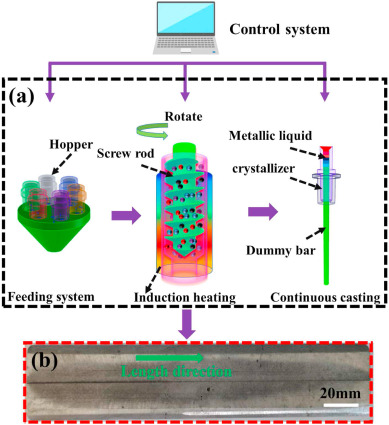
Investigation on microstructures, mechanical properties, and corrosion behavior of novel biodegradable Zn-xCu-xTi alloys after hot rolling fabricated by self-developed newly gradient continuous casting
The poor mechanical properties exhibited by pure Zn effectively prohibit its utilization as a viable material for biodegradable implants. Hence, the primary area of interest has been directed towards alloy design and process strategies of biodegradable Zn alloys. To this end, novel biodegradable Zn-xCu-xTi (Cu: x = 0.001–2.72 and Ti: x = 0.03–1.21) alloys were designed and fabricated using a
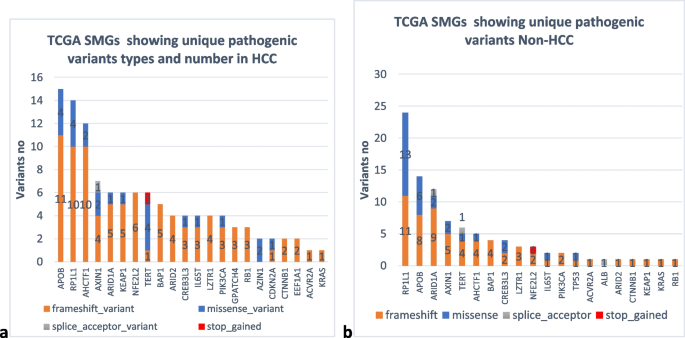
Correction to: Genomic landscape of hepatocellular carcinoma in Egyptian patients by whole exome sequencing (BMC Medical Genomics, (2024), 17, 1, (202), 10.1186/s12920-024-01965-w)
Tables 2, 3, and 6, as shown in the original publication, were modified to black and white during the typesetting process. Following the publication, the authors requested that the tables be reverted to their original-colored versions, as the colors in the heatmap indicate the number of pathogenic variants present in genes. Green indicates the smallest number, and red indicates the highest number