





Dr. Sahar Selim

Associate Professor

Faculty Office Ext.

1782

Faculty Building

UB1

Office Number

213

Biography

Dr. Sahar Selim is an Associate Professor in the Artificial Intelligence Program at the School of Information Technology and Computer Science (ITCS), Nile University. She also serves as Deputy Head of the Medical Imaging and Image Processing (MIIP) Research Group at the Center for Informatics Sciences (CIS). 

She received her B.Sc. and M.Sc. degrees in Computer Science from Ain Shams University and her Ph.D. in Computer Science from Cairo University. Before pursuing her academic career, she worked as a software developer for three years. She later joined the German University in Cairo as an Assistant Lecturer and subsequently as an Associate Researcher before joining Nile University. 

Her research focuses on artificial intelligence for healthcare, particularly medical imaging, EEG signal analysis, biomedical signal processing, neural engineering, and brain–computer interfaces. Her work also explores multimodal learning, explainable and trustworthy AI, large language and foundation models, privacy-preserving and federated learning, with an emphasis on developing practical healthcare solutions for low-resource settings. 

Dr. Selim has led and contributed to several funded multidisciplinary research projects and has supervised numerous postgraduate students and young researchers. She is a recipient of the L’Oréal–UNESCO For Women in Science Egypt Young Talents Award 2024 in Computer Science and Artificial Intelligence and is actively involved in international research collaboration, scientific mentorship, peer review, and academic service. 

Achievements
  1. Recipient of the L’Oréal–UNESCO For Women in Science Egypt Young Talents Award 2024 for research on AI-based early detection of ovarian cancer using ultrasound imaging. (NU LinkedIn) 

  2. Honored by the Association for Egyptian Women in Mathematics during the 2026 International Day of Women in Mathematics celebration for contributions to artificial intelligence, medical imaging, and AI-driven healthcare solutions.  

  3. The research work “ArEEG: An Open-Access Arabic Inner Speech EEG Dataset” was featured by Nature Middle East, highlighting its contribution as the first open-access Arabic inner-speech EEG dataset.  

  4. Recipient of the ITCS Best Teaching Award 2022 and nominated by ITCS for the Prof. Abdelaziz Salem Outstanding Teaching Award.  

  5. Principal Investigator of “Human–Brain Robot Interaction for Mobility Rehabilitation Control”, selected among the ten finalist applications for the KUKA Innovation Award 2022.  

  6. Research Supervisor and Co-PI of MindPlay: Harnessing Neurofeedback for Children with ADHD, which received Second Place at Nile BioMed Tank 2025.  

  7. Mentor in the AFRICAI Mentorship Program, guiding young African researchers whose work resulted in three accepted papers at MICCAI 2024 satellite events, including one Best Paper Award at the EMERGE Workshop.  

  8. Served as an Area Chair for MICCAI from 2024 to 2026, a Session Co-Chair at MICCAI 2024, and a MICCAI Mentor in 2025.
Recent Publications
Conference Paper

Does Deep Learning Require Image Registration for Early Prediction of Alzheimer’s Disease? A Comparative Study Using ADNI Database

Image registration is the process of using a reference image to map the input images to match the corresponding images based on certain features. It has the ability to assist the physicians in the diagnosis and following up on the patient’s condition. One of the main challenges of the registration is that it takes a huge time to be computationally efficient, accurate, and robust as it can be

Artificial Intelligence
Healthcare
Circuit Theory and Applications
Software and Communications
Conference Paper

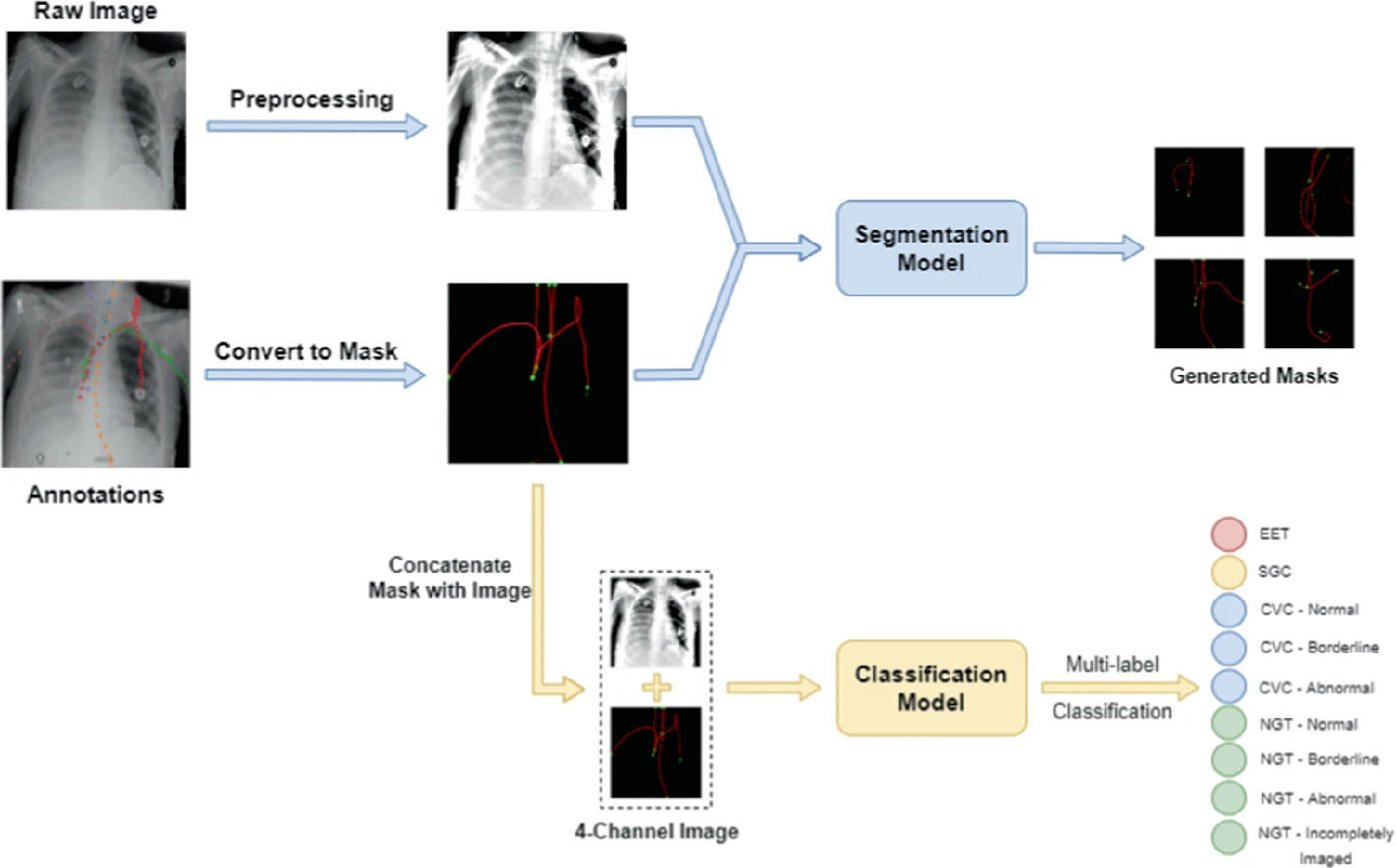
Efficient Pipeline for Rapid Detection of Catheters and Tubes in Chest Radiographs

Catheters are life support devices. Human expertise is often required for the analysis of X-rays in order to achieve the best positioning without misplacement complications. Many hospitals in underprivileged regions around the world lack the sufficient radiology expertise to frequently process X-rays for patients with catheters and tubes. This deficiency may lead to infections, thrombosis, and

Artificial Intelligence
Healthcare
Circuit Theory and Applications
Software and Communications
Conference Paper

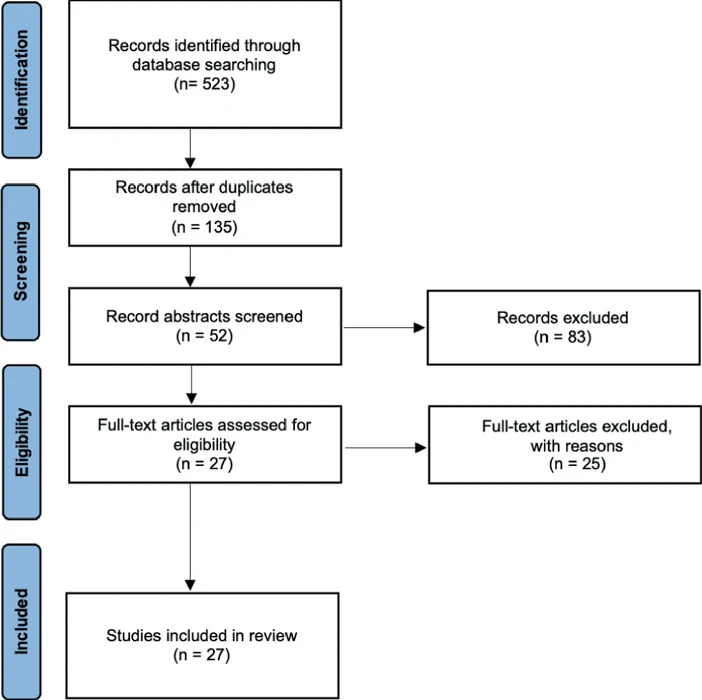
Oral Dental Diagnosis Using Deep Learning Techniques: A Review

The purpose of this study is to investigate the gradual incorporation of deep learning in the dental healthcare system, offering an easy and efficient diagnosis. For that, an electronic search was conducted in the Institute of Electrical and Electronics Engineers (IEEE) Xplore, ScienceDirect, Journal of Dentistry, Health Informatics Journal, and other credible resources. The studies varied with

Artificial Intelligence
Healthcare
Circuit Theory and Applications
Software and Communications
Conference Paper

Native Mobile Applications UI Code Conversion

With the widespread use of mobile applications in daily life, it has become crucial for software companies to develop the applications for the most popular platforms like Android and iOS. Using a native development is time consuming and costly. Cross-platform mobile development like Xamarin and React native emerged as a solution to the mentioned problem of native development for the time and cost

Artificial Intelligence
Software and Communications
Innovation, Entrepreneurship and Competitiveness
Conference Paper

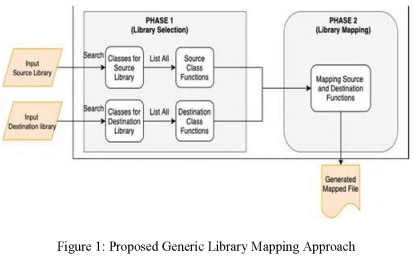
Generic Library Mapping Approach for Trans-Compilation

Cross-platform mobile development is a widely used framework due to its nature of building an app using one development life cycle and deploying it to multiple platforms like Android and iOS. Many cross-platform solutions were recently developed to convert from one platform to another using Trans-compilation approach as Trans-Compiler Android to IOS Conversion (TCAIOSC) and Trans-Compiler Based

Artificial Intelligence
Conference Paper

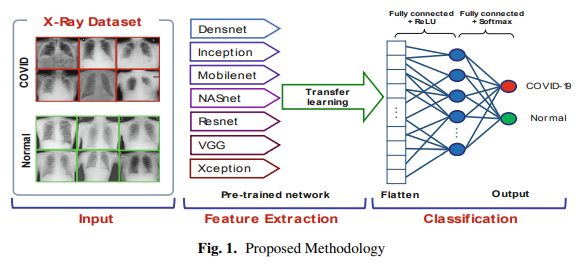
Detection of COVID-19 from Chest X-Ray Images Using Deep Neural Network with Fine-Tuning Approach

The coronavirus (COVID-2019) quickly spread throughout the world and came to be a pandemic. To avoid further spreading this epidemic and treat affected patients rapidly, it is important to recognize the positive cases as early as possible. In this paper, deep learning techniques are employed to detect COVID-19 from chest X-ray images quickly. The images of the two classes, COVID and No-findings

Artificial Intelligence
Healthcare
Conference Paper

Using CNN-XGBoost Deep Networks for COVID-19 Detection in Chest X-ray Images

At the time of writing, the COVID-19 pandemic is one of the lead causes of death worldwide and has caused significant changes to everyone's lives. While a vaccine is still unavailable, early screenings and detection of the disease can significantly help in managing the healthcare system's capacity as well as allow radiologists and clinicians better assign their priorities. With deep learning's

Artificial Intelligence
Research Tracks
  • Artificial Intelligence for Healthcare  

  • Medical Imaging and Image Processing  

  • Biomedical Signal Processing and EEG Analysis  

  • Brain–Computer Interfaces and Neural Engineering  

  • Multimodal AI and Data Fusion  

  • Trustworthy and Explainable AI  

  • Large Language Models and Foundation Models for Healthcare  
Projects
a
Research Project

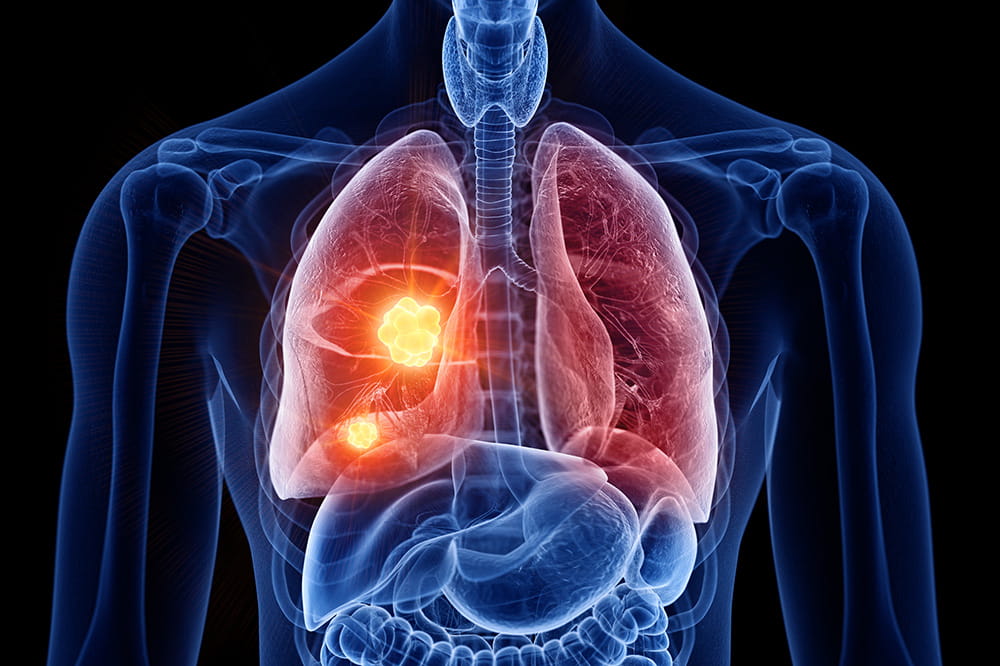
Lung Cancer Detection in Chest X-Ray Images Empowered by 3D Computed Tomography Deep Convolutional Radiomics (CXRClear)
Objective/Contributions: Cancer is treatable if it is discovered at an early stage, and lung cancer screening is a critical component in a preventive care protocol. Although CT imaging affords higher spatial resolution and 3D density information than digital chest X-rays, there are still limitations to having it as a cheap and fast method for rural areas outreach. These limitations are outlined in
3
Research Project

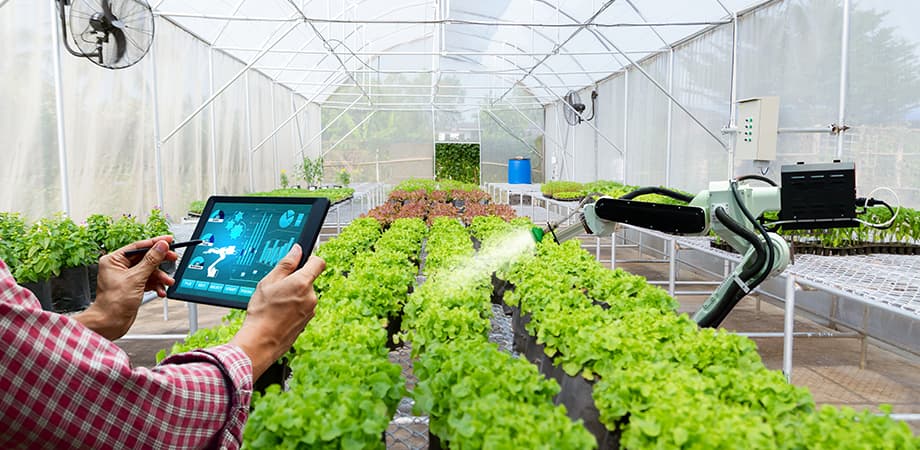
Smart Agricultural Clinic: Egyptian Farmer Electronic Platform for the Future

Objective/Contributions: Smart agricultural clinic (SAC) aims to: 1) Provide an integrated end-to-end digital system to effectively deliver personalized agriculture extension and veterinary services, including best cultivation, fertilization and breeding practices, to farmers and animal producers through the use of mobile/handheld devices. 2) Use advanced computer vision and deep learning