





emadshaker2.png

Prof. Emad Bakhoum

Professor

Faculty Office Ext.

1723

Faculty Building

UB2

Office Number

S8

Biography

Prof. Emad S. Bakhoum is a Professor at the Faculty of Engineering and Applied Sciences at Nile University, where he has been a faculty member since 2019 in the Civil & Construction Engineering program. Prof. Emad has specialized in Construction Project Management since his graduation. 

He completed his Ph.D. at the University of Southampton in the UK. Before that, he earned his B.Sc. in Civil Engineering in 1996 from Cairo University, followed by an M.Sc. in Construction Engineering and Management from the same university. He gained significant experience in the construction industry through his work at ORASCOM, where he participated in numerous large-scale construction projects until 2003. Additionally, Prof. Emad maintains industrial connections through his role at Egyptian Consultants for Project Management (ECPM). 

Since 2003, Prof. Emad has been associated with the National Research Centre (NRC), Egypt, actively collaborating with researchers on local projects and publishing numerous technical papers in international journals with a Google Scholar h-index of 20 and a Scopus h-index of 19. He has also served as the Quality Manager for the Engineering Division at NRC. 

Prof. Emad has taught as a lecturer at various institutions, including Cairo University, Ain Shams University, and the Arab Academy for Science, Technology & Maritime Transport. 
Recent Publications
Journal

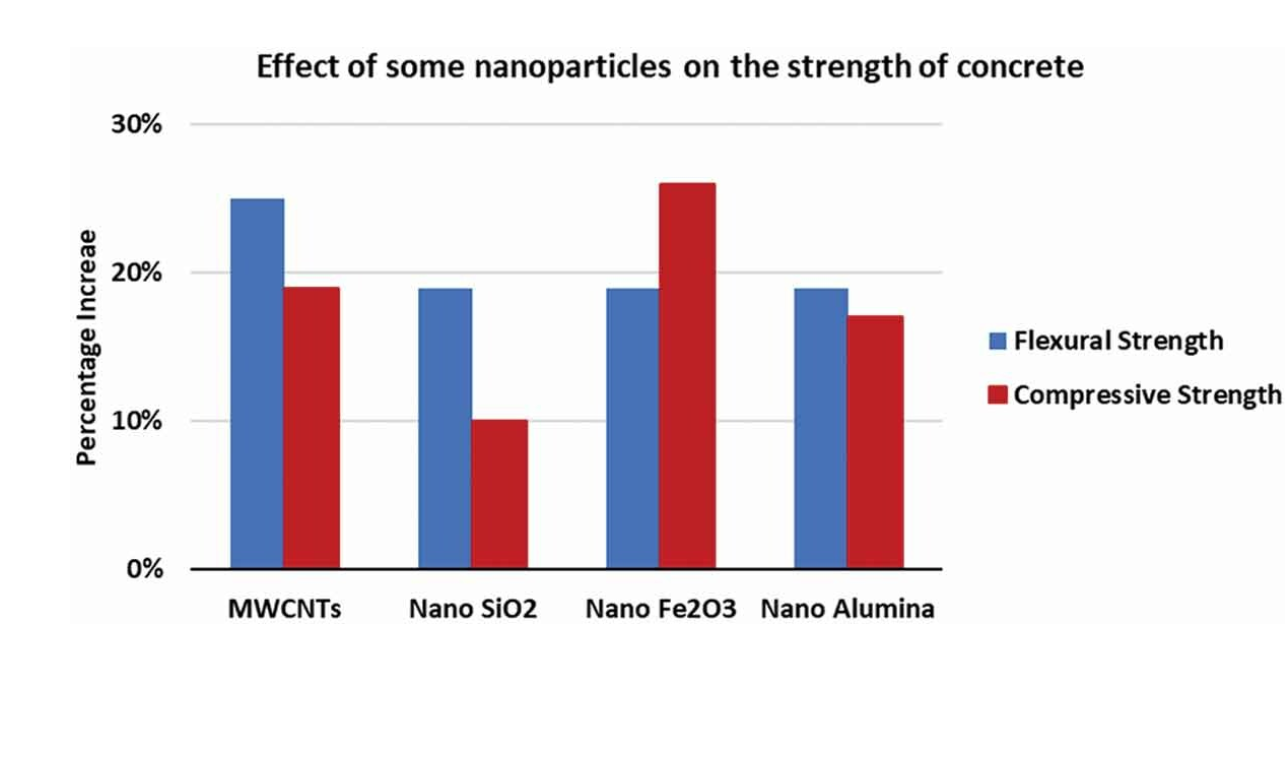
Application of nano waste particles in concrete for sustainable construction: a comparative study

Nano particles contribute as a partial substitute in the production of eco-friendly building materials. This research presents a quantitative assessment of the sustainability effect of partially replacing cement in the green concrete mix with two types of nano-waste particles. The assessment is achieved using two weighing criteria developed by a Sustainable Decision Support System (SDSS) model

Artificial Intelligence
Energy and Water
Agriculture and Crops
Journal

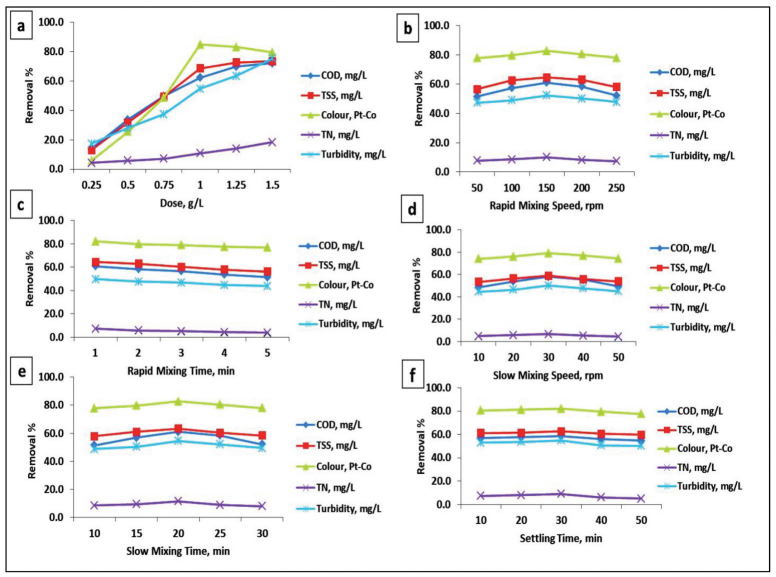
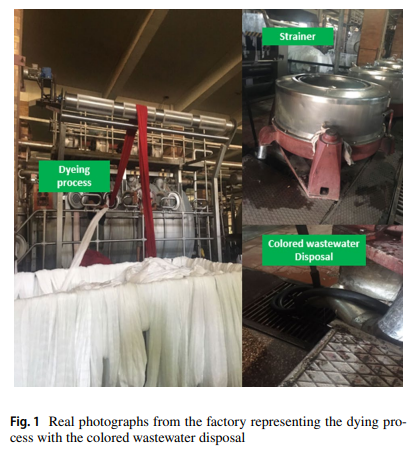
Coagulation/flocculation process for textile mill effluent treatment: experimental and numerical perspectives

This study investigates the feasibility of applying coagulation/flocculation process for real textile wastewater treatment. Batch experiments were performed to detect the optimum performance of four different coagulants; Ferric Sulphate (Fe2(SO4)3), Aluminium Chloride (AlCl3), Aluminium Sulphate (Al2(SO4)3) and Ferric Chloride (FeCl3) at diverse ranges of pH (1–11) on the removal of chemical

Artificial Intelligence
Healthcare
Energy and Water
Software and Communications
Journal

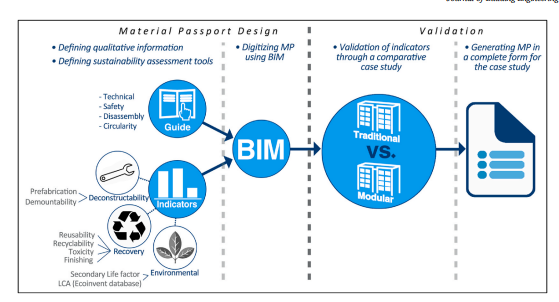
Digitizing material passport for sustainable construction projects using BIM

Several aspects hinder the application sustainability in construction industry. The most prominent problems are related to the conservation of natural resources and the generation of construction and demolition wastes. Previous studies indicated that these problems are due to lack of information available to construction projects stakeholders on the proper handling of building materials in their

Energy and Water
Journal

Sustainable Evaluation of Using Nano Zero-Valent Iron and Activated Carbon for Real Textile Effluent Remediation

In this study, the performance of using two different adsorbents, nano-zero-valent iron (nZVI) and activated carbon (AC), was examined for the treatment of real textile effluents. The porous structure and chemical composition of the synthesized nZVI were detected via X-ray diffraction, scanning electron microscopy and EDX analysis. Batch adsorption studies were conducted to investigate the optimal

Innovation, Entrepreneurship and Competitiveness
Research Tracks
  • Sustainable Construction 

  • Decision Analysis  

  • Green Buildings / Concrete 

  • Automation in Construction 

  • Waste Management 

Projects
Research Project

Characterization, Development, and Life Cycle Analysis of EPS Geofoam for Use under Roadways Embankments
Expanded polystyrene (EPS) or geofoam blocks have long been used as a lightweight, durable, geosynthetic alternative for soil backfills in several infrastructure facilities and geotechnical applications. Recently, EPS was utilized for roadway embankments after assuring safety against acting loads in addition to hydrostatic and buoyancy stability. While satisfying these considerations, the design
Research Project

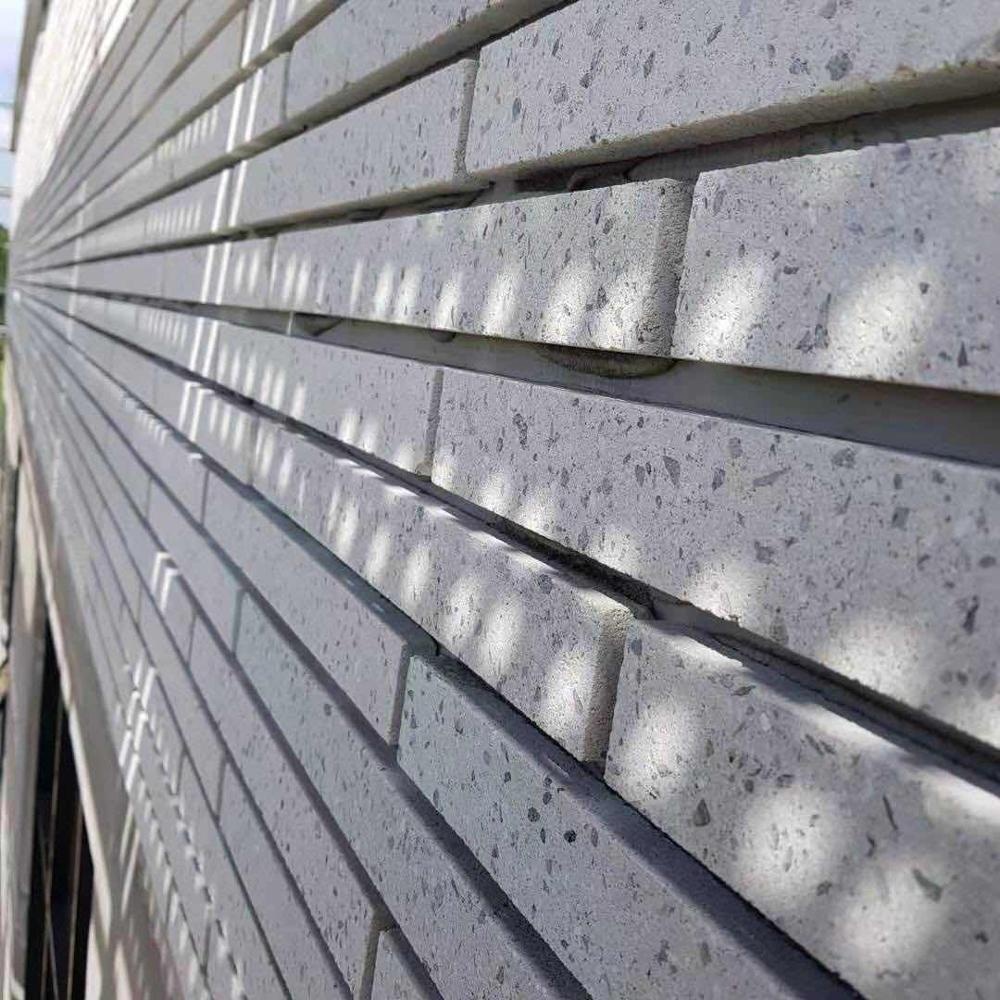
Eco-friendly Cement Bricks Containing Crumb Rubber and Crushed Glass: Behaviour and Sustainable Assessment

Nowadays, there is rapid development in the global environment nature as well as awareness of the adverse consequences of civilization on the earth. It has led to the increasing demand for adopting sustainable development in several sectors. Therefore, the transition into green buildings is no longer an option in the construction industry. This research aims to develop an eco-product composed of