


Prof. Essam Wahba
Dean of School of Energy and Environmental Engineering
Professor Essam Wahba is a distinguished higher education leader with over 20 years of progressive administrative, academic and consulting experience. His leadership record includes nearly seven years as Vice Dean of the Faculty of Engineering at Alexandria University. He also served as Acting Dean of the Faculty of Engineering at Alexandria University and Acting Head of the Mechanical Engineering Department at the American University of Sharjah. Prof. Wahba also served as Director of the Alexandria UniversityCenter of Excellence for Water, a multi-million dollar initiative in collaboration with the University of
California at Santa Cruz, Utah State University, Temple University and Washington State University.
At the national level, Prof. Wahba contributed to several initiatives and committees, including the Engineering Studies Sector Committee and the Scientific Promotions Committee at the Supreme Council of Universities. He is also Vice President of the Alexandria Chapter of the American Society of Heating, Refrigeration and Air Conditioning Engineers (ASHRAE).
Prof. Wahba received his PhD in Mechanical and Aeronautical Engineering from the University of California, Davis. Throughout his distinguished career, he has led multiple research projects, published more than 70 international publications and contributed as an engineering expert to numerous energy, water and environmental engineering projects, both in Egypt and abroad. Prof. Wahba received several awards during his career such as the Outstanding Technical Paper Award from the American Society of Mechanical Engineers (ASME) and the Joseph Steger Award from the University of California, Davis. He was an invited visiting scholar at the University of Perugia in Italy and a special graduate faculty at the University of Guelph in Canada.

Engineering the Future of Sustainability
Nile University, we believe the future belongs to engineers who can power the world responsibly and protect it intelligently. The School of Energy and Environmental Engineering prepares students to lead the global transition toward sustainable energy systems and environmentally resilient communities
Our programs combine strong engineering foundations with advanced technologies, data-driven methodologies, and real-world applications. Students graduate equipped to design innovative solutions for climate challenges, renewable energy integration, smart infrastructure, and environmental protection.
Why school of Energy and Environmental Engineering?
- The International Energy Agency projects 4,300 GW of new renewable capacity between 2024–2029 with solar PV driving more than half of this growth.
- U.S. News & World Report ranks Environmental Engineering #2 in Best Engineering Jobs (2025) and among the Top 12 STEM careers.
- According to Coursera’s Global Skills Report 2025, GenAI enrollment continues accelerating highlighting the digital transformation reshaping engineering industries.
The demand is global. The opportunities are expanding. The future is sustainable.
Why study at NU?
Industry-Relevant Curriculum
Designed in alignment with global trends and market demands, our programs combine strong engineering foundations with practical applications, ensuring students graduate ready to tackle real-world energy and environmental challenges.
Career-Focused Education
Graduates are equipped for impactful careers in renewable energy, environmental consulting, sustainability management, smart grids, infrastructure planning, digital transformation, and research.
Innovation-Driven Learning
Students engage with modern tools, advanced simulation technologies, and smart systems to design sustainable, data-driven solutions for today’s evolving energy landscape.
Innovation Beyond the Classroom:
Recognized as Africa’s Entrepreneurial University of the Year 2023, Nile University empowers students to transform ideas into real ventures.
At NU, you are prepared to become a job creator, not just a job seeker.
Research & Practical Exposure
Research is a cornerstone of the NU experience. Students gain applied research experience through advanced laboratories and strong industry collaborations, preparing them for leadership roles in sustainability, smart energy systems, and environmental engineering.

NU in Numbers




Data & Environmental Engineering Program
This program integrates environmental engineering principles with data science and analytical tools. Students learn to assess environmental systems, manage water and waste resources, monitor air quality, and design sustainable solutions supported by intelligent data modeling.
Career Pathways:
- Environmental Engineer
- Sustainability Analyst
- Environmental Data Specialist
- Water & Waste Management Consultant
- Environmental Compliance Officer
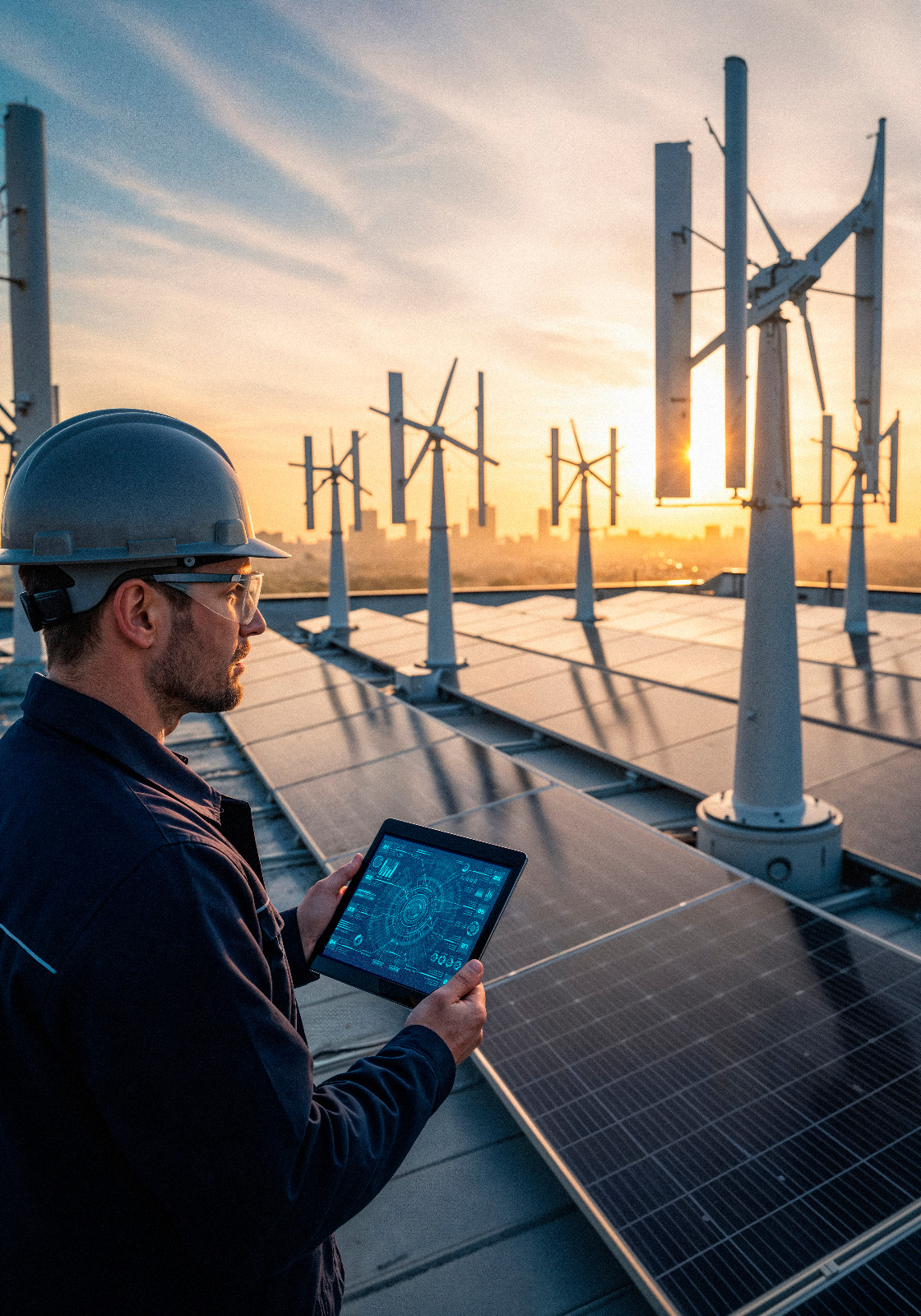
Smart Energy Systems Engineering Program
Focused on the future of power generation and distribution, this program prepares students to design and manage renewable energy systems, smart grids, and efficient energy infrastructures.
Students gain expertise in energy optimization, digital control systems, and sustainable power technologies.
Career Pathways:
- Renewable Energy Engineer
- Smart Grid Engineer
- Energy Systems Designer
- Power Systems Analyst
- Energy Efficiency Consultant