
Diploma

Professional Diploma in Neuroscience for the Arab Region

Life Sciences & Biotechnology
Location
Online
Duration
1 Year

A one-year online diploma that gives graduates from medical, scientific, and technical backgrounds a clear pathway into neuroscience research and careers.

Contact Hours
Year
Starts

Starts

2026

Credential

Credential

NU Certificate

Location

Location

Online

Language

Language

English
(Arabic Support)

Program overview

An 18-credit postgraduate Professional Diploma providing interdisciplinary education and research-oriented training in molecular, cellular, systems, computational and translational neuroscience, with emphasis on ion channels, electrophysiology, neurotechnology and neurological disorders.

What You Will Learn

Develop the skills to critically evaluate neuroscience research and undertake a supervised neuroscience research project  

Explore neuropharmacology, neurotechnology, and emerging approaches to therapeutic development

Apply computational and data-driven approaches to neuroscience questions   

Connect alterations in neural function to neurological and neurodevelopmental disorders  

Explain neuronal signaling, membrane biophysics, ion channels, synaptic transmission, and neural circuits

Understand the molecular and cellular mechanisms underlying nervous system function 

Curriculum

Courses

This course provides a comprehensive introduction to the cellular and molecular mechanisms that govern nervous system function. Students will explore the structure and function of neurons and glial cells, neuronal communication, neurotransmitter systems, synaptic organization, and mechanisms underlying neuronal development and plasticity. The course also introduces the molecular pathways involved in learning, memory, and neural adaptation while providing a foundation for understanding neurological disorders at the cellular level.

This course examines the biophysical principles that govern electrical signaling in excitable cells, with a particular focus on the structure and function of ion channels, membrane transport proteins, and membrane protein architecture. Students will explore membrane organization, ionic gradients, resting membrane potential, action potential generation, and signal propagation, as well as the molecular mechanisms underlying ion channel gating, selectivity, and regulation. The course also introduces modern structural biology approaches used to investigate membrane proteins, including X-ray crystallography, cryogenic electron microscopy (Cryo-EM), nuclear magnetic resonance spectroscopy, and computational structural modeling. Emphasis is placed on understanding how protein structure determines function and how structural information contributes to the study of neuronal signaling, pharmacological modulation, and structure-guided drug discovery. 

This course provides an integrated overview of the mechanisms through which discoveries in neuroscience are translated into therapeutic interventions for neurological and neuropsychiatric disorders. Students will examine neurotransmitter systems, receptor pharmacology, drug-receptor interactions, pharmacokinetics, and pharmacodynamics alongside contemporary approaches to target identification, biomarker discovery, and therapeutic development. The course explores the neuroscience drug discovery pipeline from basic research through preclinical development and clinical translation, while introducing concepts in precision medicine, regulatory science, and emerging therapeutic technologies that bridge laboratory discoveries with clinical applications. 

This course provides an integrated understanding of how neuronal communication gives rise to neural circuit function, sensory perception, motor control, and cognition. Students will examine the mechanisms of chemical and electrical synaptic transmission, synaptic plasticity, and the organization of functional neural circuits within the central and peripheral nervous systems. Building upon these principles, the course explores the physiological basis of sensory processing, movement, learning, memory, attention, decision-making, and higher-order cognitive functions. By integrating cellular mechanisms with systems-level organization, the course provides a comprehensive understanding of how the nervous system processes information and generates behavior.

This course investigates the molecular and physiological mechanisms underlying diseases caused by dysfunctional ion channels and neuronal signaling pathways. Students will examine channelopathies associated with epilepsy, pain syndromes, migraine, autism spectrum disorders, cardiac arrhythmias, and neuromuscular diseases. The course also introduces broader neurological and neurodegenerative disorders and discusses current therapeutic approaches and emerging treatment strategies. 

This course explores the integration of computational approaches and neurotechnology in modern neuroscience. Students will study neural coding, computational modeling of neuronal and network activity, machine learning, artificial intelligence applications, and neuroscience data analytics. The course also introduces contemporary neurotechnologies including electrophysiological recording systems, neuroimaging techniques, brain-computer interfaces, neural prosthetics, neurostimulation technologies, digital biomarkers, and wearable devices for monitoring brain function. Through practical exercises and case studies, students will gain experience in analyzing and interpreting complex neuroscience datasets while examining how computational and technological innovations are advancing neuroscience research, precision medicine, and neurotherapeutic development.

This course provides students with exposure to emerging and rapidly evolving areas of neuroscience that extend beyond the core curriculum. The course is designed to reflect recent scientific discoveries, technological innovations, and contemporary challenges in neuroscience research and practice. Topics may vary from year to year depending on advances in the field and the expertise of invited instructors and guest lecturers.  


Areas that may be covered include neurodegenerative diseases, neurodevelopmental disorders, neuroimmunology, neurogenetics, neuroethics, brain-computer interfaces, artificial intelligence in neuroscience, neuromodulation technologies, precision neurology, digital biomarkers, the gut-brain axis, consciousness studies, and other frontier topics. Through lectures, seminars, journal clubs, case studies, and critical discussions of current literature, students will develop the ability to evaluate emerging concepts, technologies, and research trends shaping the future of neuroscience. 

This course introduces students to the principles, applications, and limitations of modern experimental and computational methods used in neuroscience research. Through virtual demonstrations, workshops, case studies, and guided exercises, students will gain exposure to a wide range of neuroscience methodologies including electrophysiological techniques, neuroimaging approaches, molecular neuroscience methods, bioinformatics, computational neuroscience, data analysis, and scientific programming. The course also covers research design, scientific communication, critical evaluation of scientific literature, and research ethics. 

As part of the course, students will complete a supervised neuroscience research project through one of several pathways. Students with access to suitable laboratories, hospitals, or research institutions may conduct an experimental, clinical, or translational neuroscience project under the supervision of a local mentor and a diploma faculty member. Alternatively, students without access to local neuroscience facilities may complete a computational neuroscience, neuroinformatics, artificial intelligence, systematic review, meta-analysis, or data-driven research project under the supervision of a diploma instructor. The course culminates in the submission of a written report and an oral presentation of research findings, providing students with practical experience in scientific investigation, analysis, and communication. 

Who Is This For

Built for Graduates Ready to Explore the Brain

This diploma is designed for graduates who want to build a strong foundation in neuroscience and move toward research, postgraduate study, or neuroscience-related careers. Whether you come from a medical, scientific, or technical background, the program gives you the knowledge, research skills, and network to grow in this field.

Medical & Health Graduates

Graduates in medicine, pharmacy, dentistry, veterinary medicine, and physiotherapy who want to deepen their understanding of the nervous system and neurological disorders.

Life Science & Psychology Graduates

Graduates in science, biotechnology, and psychology who want to explore how the brain works and move into neuroscience research.

Engineering & Tech Graduates

Graduates in biomedical engineering, data science, and AI who want to apply their skills to brain data, neurotechnology, and computational neuroscience.
Delivery Format

Flexible Learning, Maximum Impact

The Professional Diploma in Neuroscience provides an interdisciplinary pathway into neuroscience for students and graduates from diverse backgrounds. Participants will learn from leading researchers and experts from prominent academic, research, clinical, and industry institutions in Egypt and internationally, spanning molecular, cellular, systems, computational, and translational neuroscience.
Image
research

Research and Experiential Learning

The diploma goes beyond theoretical learning through case-based activities, research methods, data analysis, and a dedicated research capstone. The program is also developing opportunities for specialized training, mentorship, and research exposure with collaborating institutions in Egypt and internationally, subject to availability and selection requirements. 
Image
Hybrid Option

Build Your Pathway into Neuroscience

Build the knowledge, research skills, and scientific network needed to pursue postgraduate study, research, and neuroscience-related career pathways while connecting with a growing regional and international neuroscience community. 
Image
Graduation

Flexible Enrollment and Payment

The full diploma fee does not need to be paid upfront. Students can enroll in and pay for one course at a time as they progress toward completing the diploma. 
Image
Scholarship Opportunities

Scholarship Opportunity

One full scholarship covering the complete tuition fees of the diploma is available for one eligible student. Further information regarding the eligibility criteria and application process will be announced shortly.

Meet Your Instructors

Image
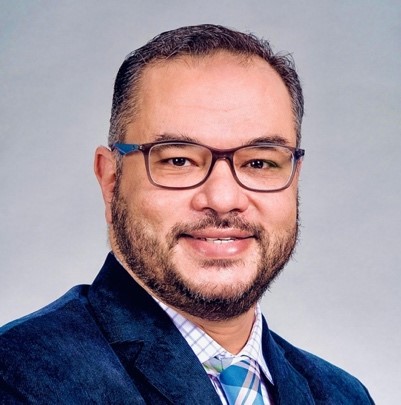
Dr. Tamer Gamal El-Din

Dr. Tamer Gamal El-Din
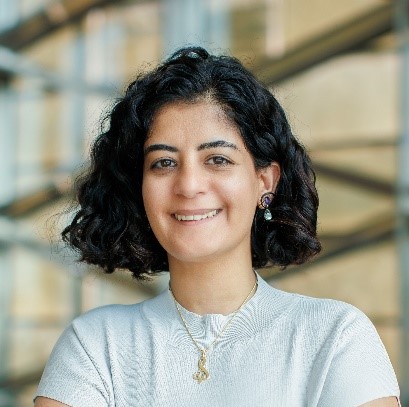
Diploma Director

Dr. Tamer Gamal El-Din

Dr. Tamer Gamal El-Din is the Director of the Postgraduate Diploma in Neuroscience at Nile University and an accomplished scientist and biotechnology leader with extensive international experience in neuroscience, ion channel biology, biophysics, and drug discovery.
Image
Dr. Leena Ibrahim

Dr. Leena Ibrahim

Instructor

Dr. Leena Ibrahim

Dr. Leena Ibrahim is an Assistant Professor at King Abdullah University of Science and Technology (KAUST), Saudi Arabia, where she leads research investigating the development, plasticity, and function of neural circuits. Her laboratory focuses on understanding how sensory experience and learning shape the connectivity and function of inhibitory neurons within layer 1 of the cerebral cortex, and how genetic and environmental factors alter these circuits, contributing to sensory processing deficits in neurodevelopmental disorders. Her work combines advanced approaches in systems and cellular neuroscience to understand how experience shapes cortical circuitry and how disruption of these processes contributes to disease. Alongside her research, she is actively involved in training and mentoring the next generation of neuroscientists and in advancing neuroscience research capacity in the region.
Image
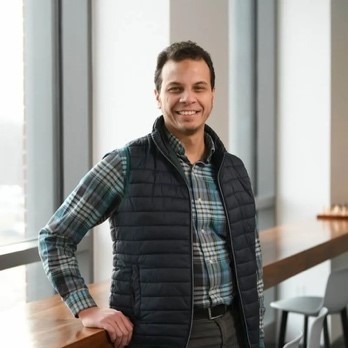
Dr. Osama Harraz

Dr. Osama Harraz

Instructor

Dr. Osama Harraz

Osama F. Harraz, Ph.D. is the Bloomfield Professor of Cardiovascular Research and an Assistant Professor of Pharmacology at the University of Vermont's Larner College of Medicine, where he directs the Harraz Laboratory and serves as Director of the Pharmacology Minor. His work centers on a fundamental question in neuroscience and vascular biology: how does the brain ensure that its billions of neurons receive precisely the blood flow they need, moment to moment, and what goes wrong in this process during aging and disease? Dr. Harraz's research focuses on Piezo1, a mechanosensitive ion channel that his laboratory has established as a master regulator of brain blood flow, acting as a feedback brake on functional hyperemia, the process by which blood flow rises to meet neural demand. This work, published in journals including Nature Communications, PNAS, and Circulation Research, has direct translational relevance to Alzheimer's disease, hypertension, and cerebral small vessel disease, and is supported by funding from the NIH, the Pew Charitable Trusts, the American Heart Association, and the Chan Zuckerberg Initiative. He was named a 2026 Pew Biomedical Scholar, one of the most selective honors in early-career biomedical research in the United States. Dr. Harraz's teaching and mentoring draw directly from this research program. He directs the Pharmacology Seminar Series (PHRM 6810) and lectures in several courses on ion channel biology and cardiovascular pharmacology, including developing new course material on mechanosensitive Piezo channels. Since joining UVM, he has mentored more than 30 trainees, ranging from undergraduates to postdoctoral associates and junior faculty, several of whom have advanced to competitive graduate, postdoctoral, and faculty positions.
Image
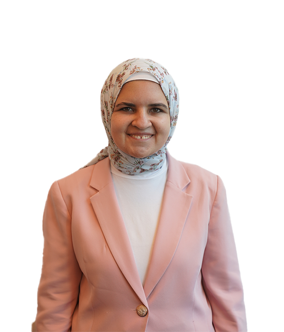
Dr. Mariam Gamaleldin

Dr. Mariam Gamaleldin

Instructor

Dr. Mariam Gamaleldin

Dr. Mariam Gamaleldin is an Assistant Professor at the School of Biotechnology, Nile University, Egypt. She holds a B.Sc. in Pharmacy and Biotechnology from the German University in Cairo and an M.Sc. in Life Science from Julius Maximilian University of Würzburg, Germany, where her research focused on opioid receptor signaling. She subsequently completed her Ph.D. at the Danish Research Institute of Translational Neuroscience (DANDRITE), Aarhus University, Denmark, investigating the molecular mechanisms underlying synaptic plasticity and memory using proteomic approaches. Her research training also included stays at Cold Spring Harbor Laboratory, Mayo Clinic, and Scripps Research.
Her current research spans neuroscience and neurodegeneration, synaptic biology, and multi-omics approaches, including proteomics and metabolomics. Alongside her scientific work, she is actively engaged at the intersection of neuroscience, ethics, and society and is a co-founder of the Arab Neuroethics Network. She is also involved in developing neuroscience education and research capacity in Egypt and the Arab region through interdisciplinary teaching, regional initiatives, and international collaborations.
Image
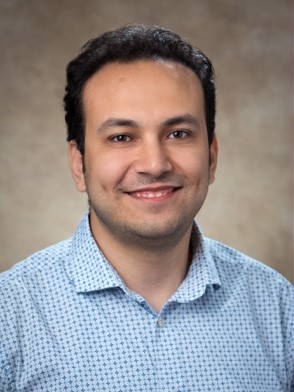
Dr. Ahmed Eltokhi

Dr. Ahmed Eltokhi

Instrcutor

Dr. Ahmed Eltokhi

Ahmed Eltokhi, M.Sc., Ph.D. is an Assistant Professor in the Department of Biomedical Sciences at Mercer University School of Medicine in Georgia, USA, where he has led an independent research laboratory since 2023. He trained across three countries, beginning with a B.Sc. in Pharmacy from Ain Shams University in Cairo, where he graduated with first-class honors, followed by an M.Sc. in Neuroscience from the University of Bonn and a Ph.D. from the Max Planck Institute for Medical Research and Heidelberg University. He then held postdoctoral fellowships with Prof. Holger Lerche at the University of Tübingen and Prof. William Catterall at the University of Washington, moving from synaptic biology into ion channel biophysics. His laboratory studies how mutations in voltage-gated ion channels cause autism and epilepsy, and his work established the gating pore current, an ectopic electrical leak, as a shared disease mechanism in NaV1.2-related disorders. His research has been supported by the American Epilepsy Society, the Brain & Behavior Research Foundation and the Autism Science Foundation. He teaches at the medical school that builds its entire curriculum around problem-based learning and facilitates small-group tutorials of eight or nine students rather than lecturing to them.
50,000 EGP - Coming Soon
Groups and Corporate Offers
Available
Application Fees (Non-Refundable)
1,500 EGP
Price Per Course
5,500 EGP
Research Methods and Capstone Course Fees
11,500 EGP