



Nile University’s Dr. Heba Kaoud, Assistant Professor at The Graduate School of Management of Technology and Director of Intellectual Property and Technology Transfer Office ( IPTTO), was invited to give a session on "Strategic Management of Technology
Nile University’s Dr. Heba Kaoud, Assistant Professor at The Graduate School of Management of Technology and Director of Intellectual Property and Technology Transfer Office ( IPTTO), was invited to give a session on "Strategic Management of Technology
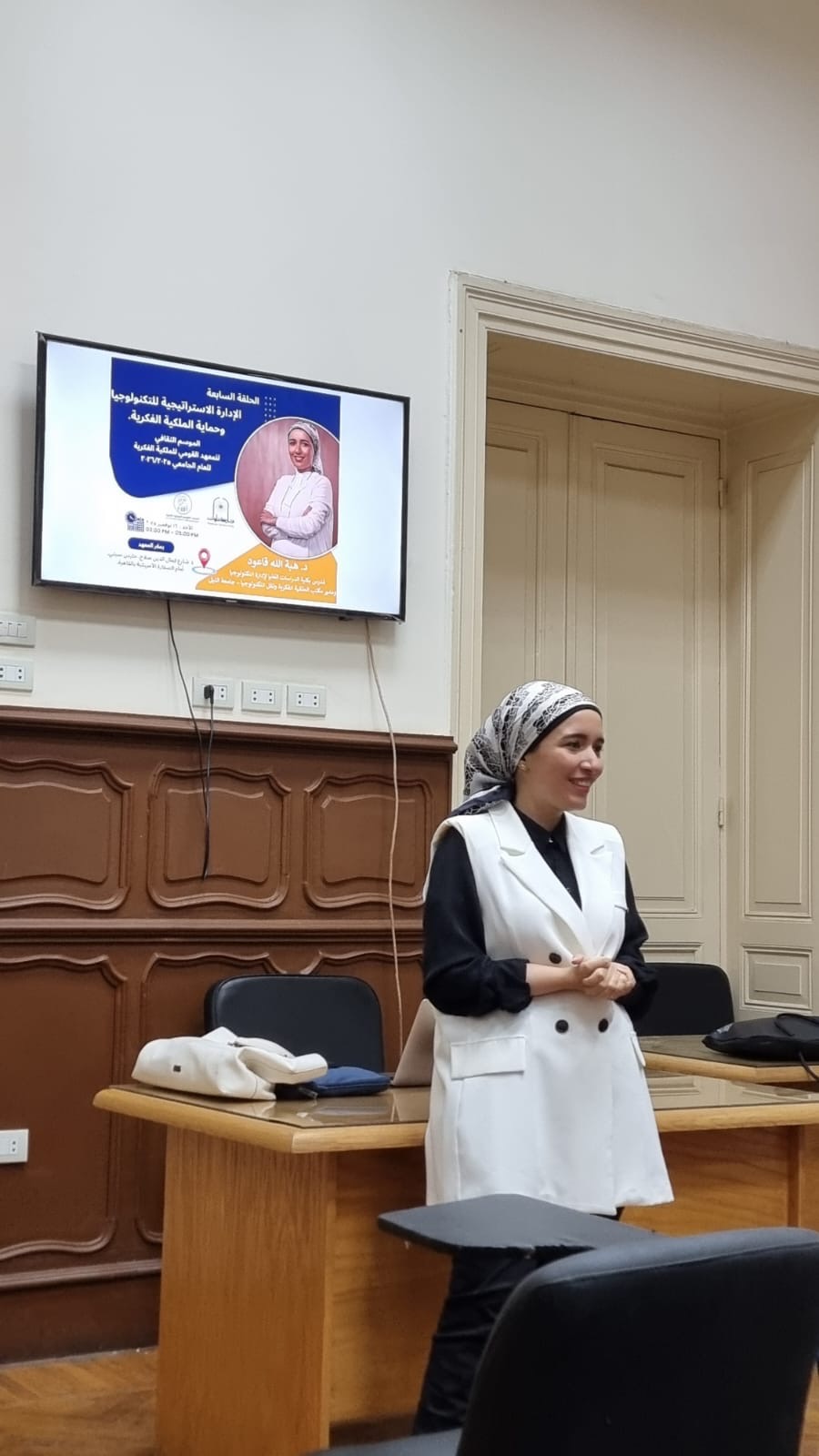
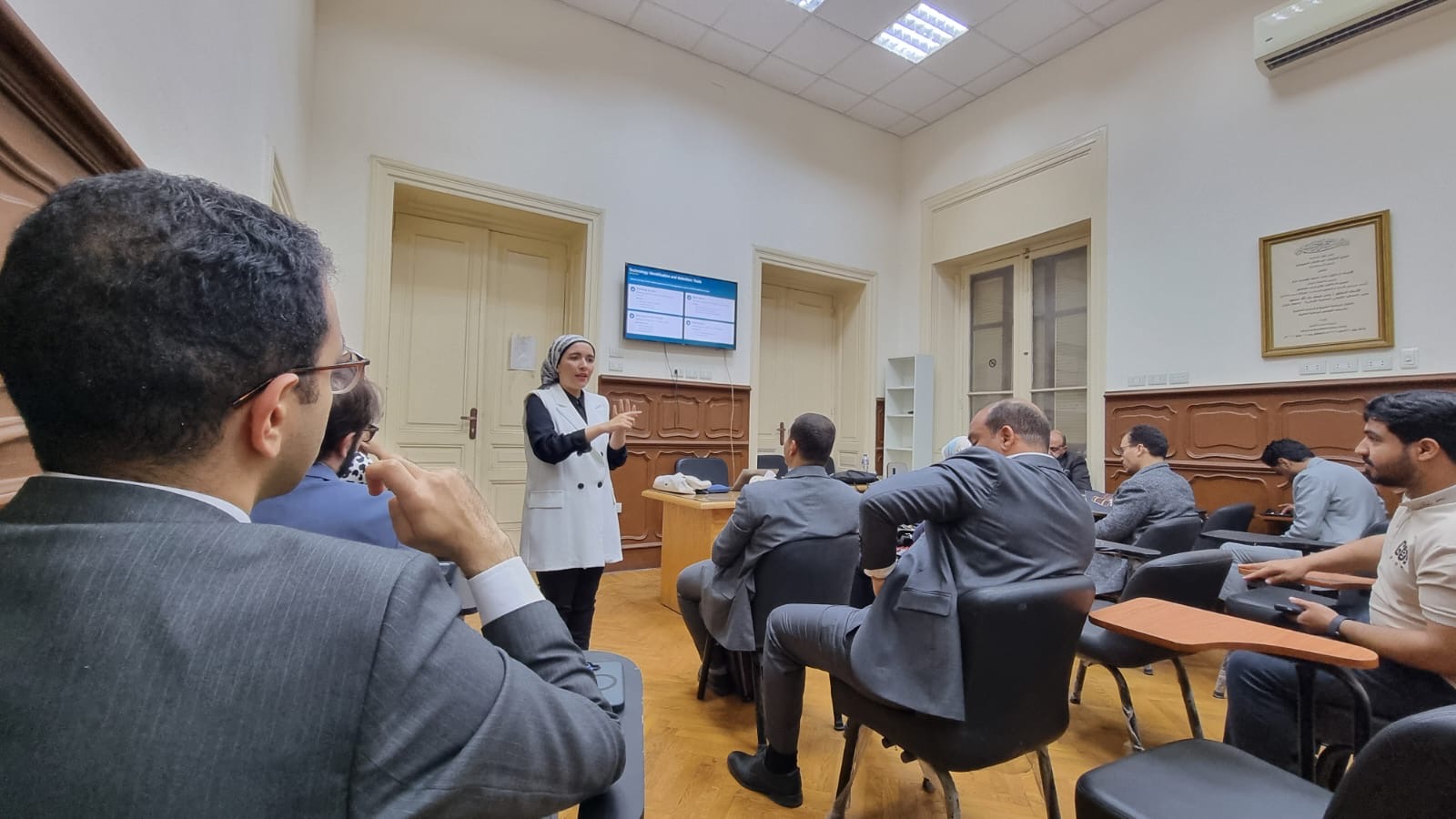
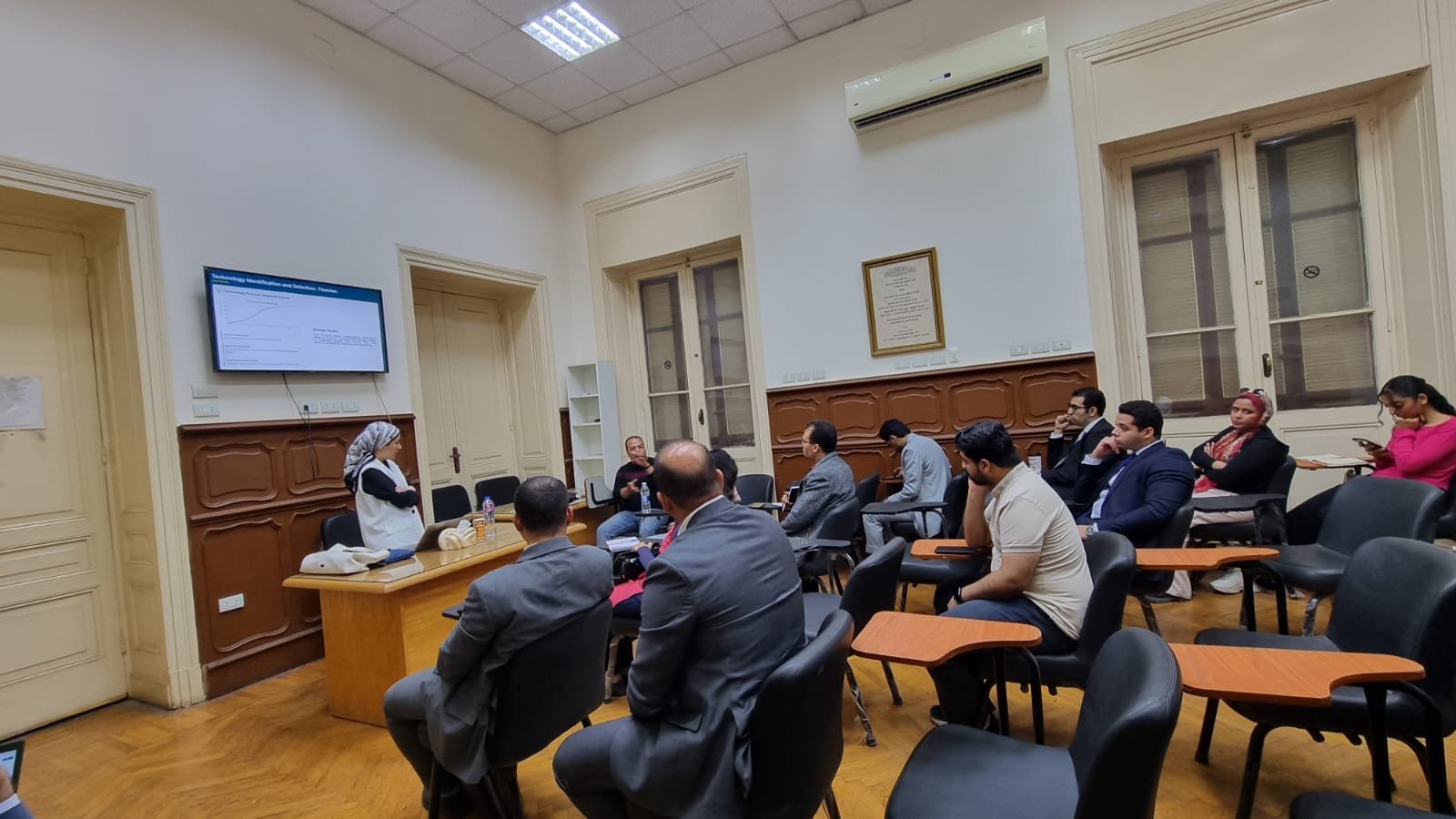
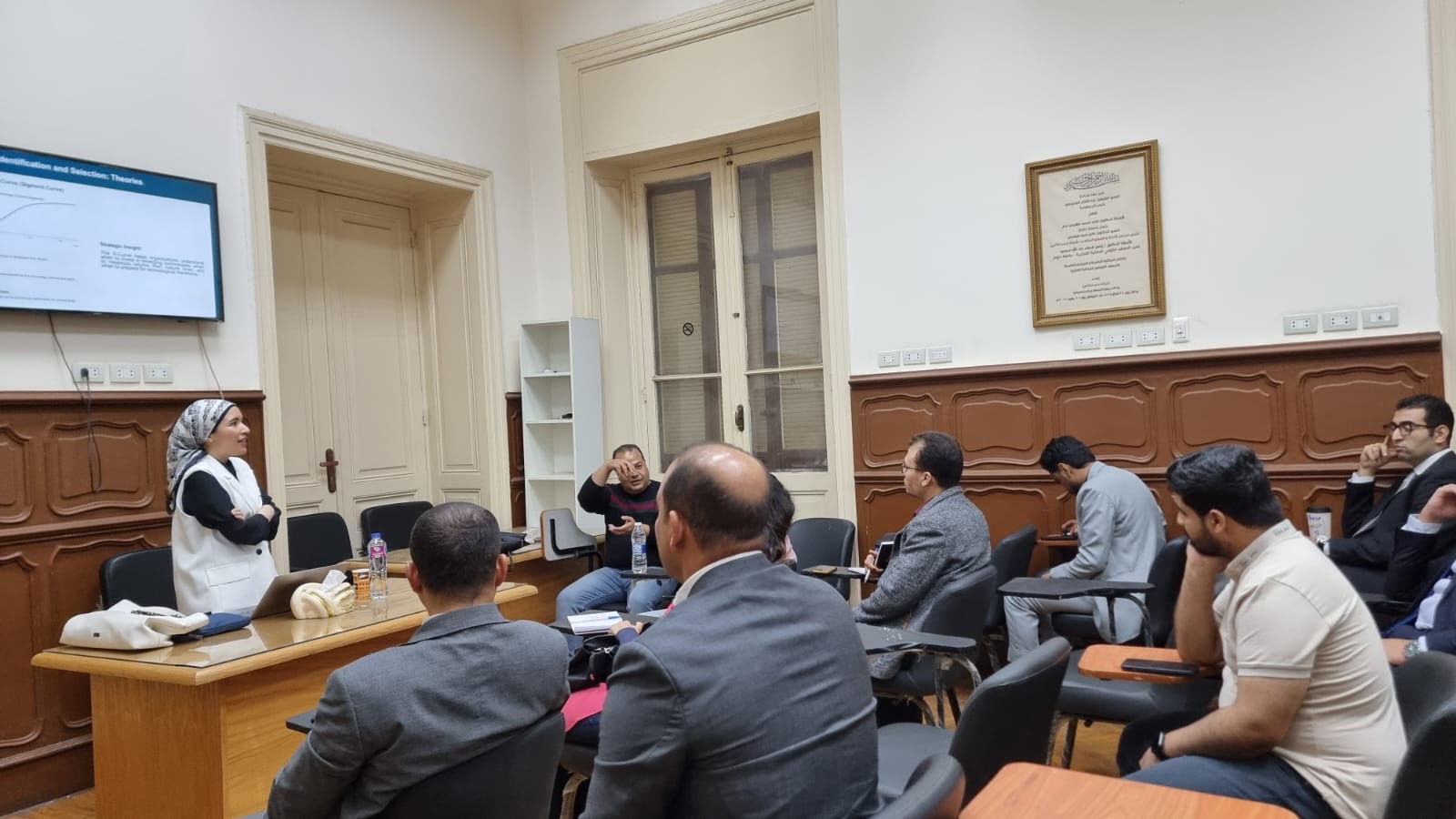
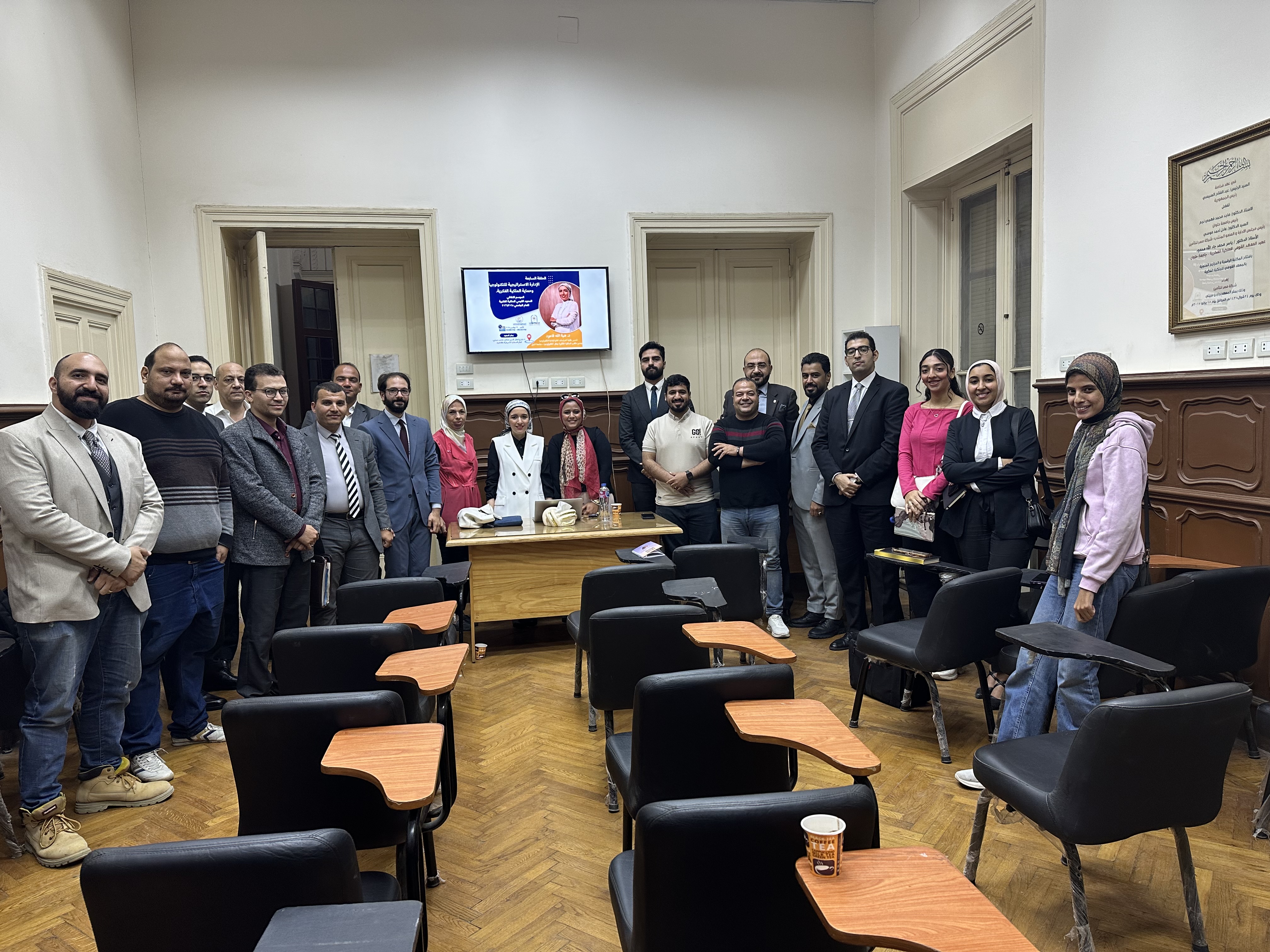
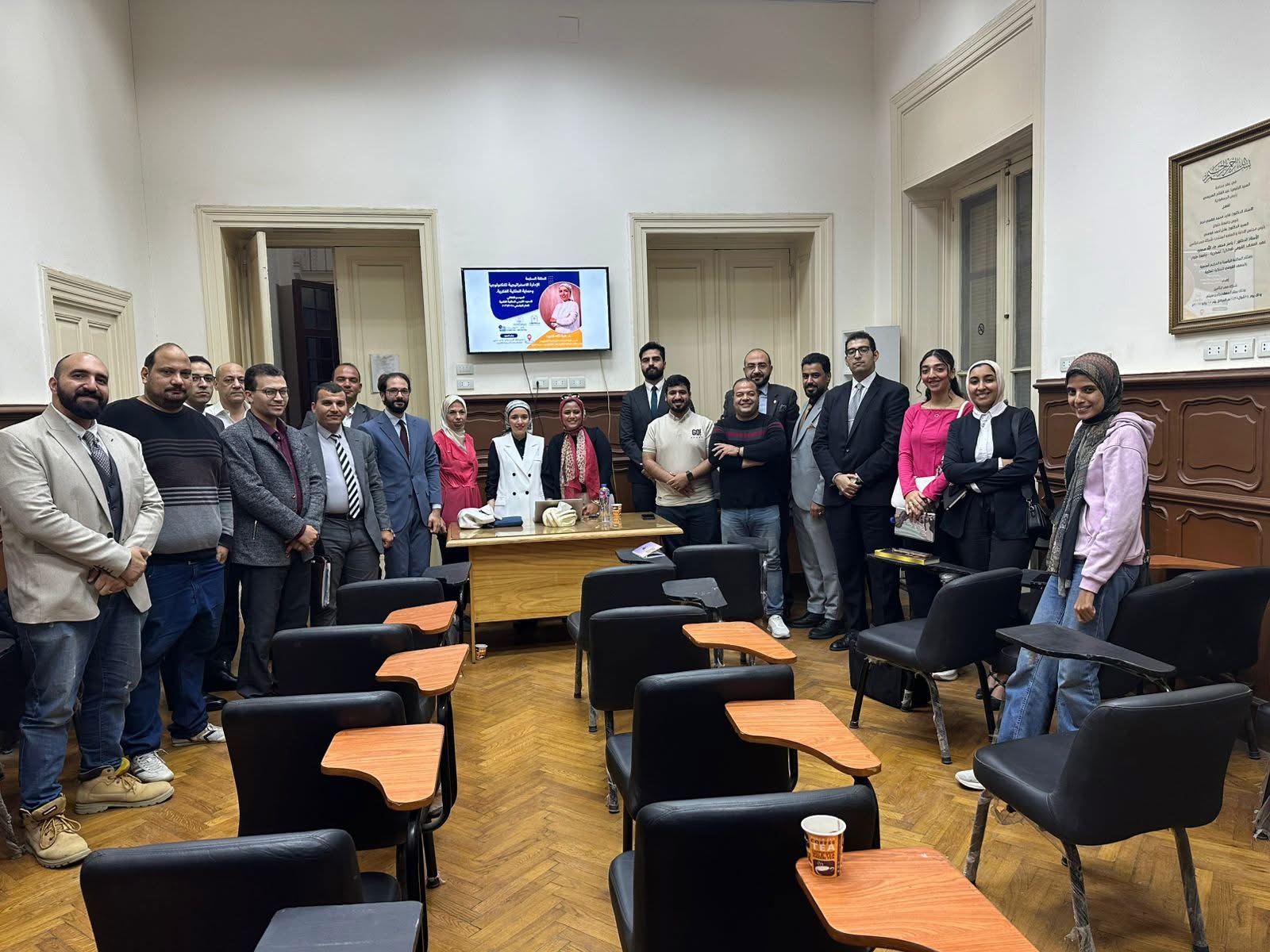
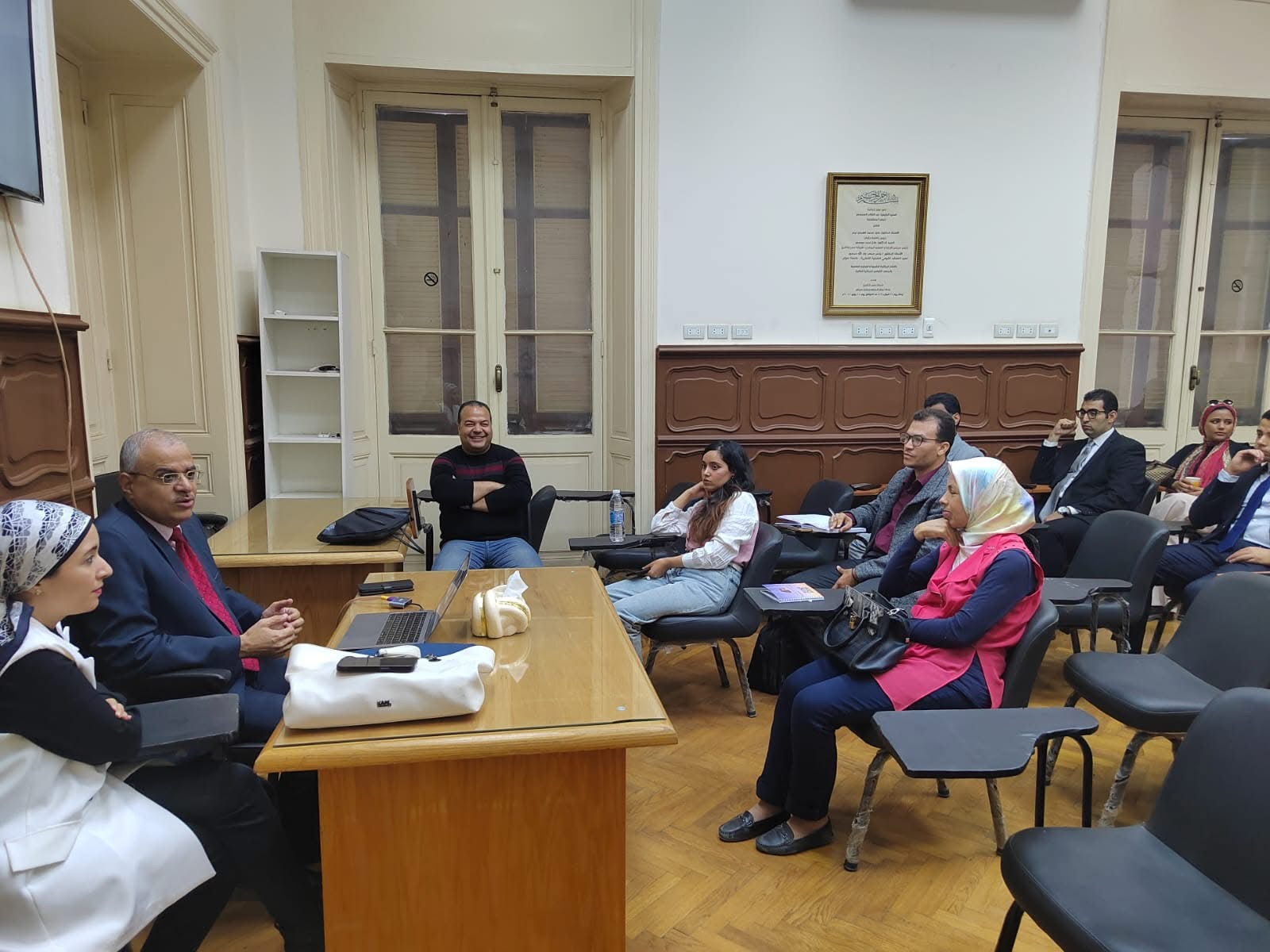
Held under the auspices of Prof. Dr. Elsayed Kandil, President of Helwan University, and the leadership of Prof. Dr. Yasser Gadalla, Dean of the Institute, the seventh session of the 2025/2026 Cultural Season by the NIIP hosted NU’s Dr. Heba Allah Kaoud, who is also the Director of the IP and Technology Transfer Office at Nile University.
As the Director of the IP and Technology Transfer Office at Nile University, Dr. Kaoud emphasized the importance of managing technology as a multidisciplinary field that integrates scientific, engineering, and management practices to effectively utilize technical knowledge within organizations.
Key Highlights of the Session:
Technology Strategy vs. Business Strategy:
Dr. Kaoud clarified the distinction between these strategies, noting that a technology strategy focuses on how companies acquire and deploy technology to gain a competitive edge.
Core Pillars of Technology Strategy:
- Understanding and adapting to technological changes
- Meeting evolving customer needs
- Maximizing value from innovation
- Effectively implementing the technology strategy within organizations
Essential Elements of Technology Management:
- Identifying and selecting appropriate technology
- Acquiring and transferring technology
- Protecting technology through intellectual property tools
- Utilizing technology for maximum innovative and commercial returns
In her closing remarks, Dr. Kaoud stressed the critical role of Science, Technology, and Innovation (STI) Policies in building effective innovation systems that connect academia, industry, and investors. She highlighted the necessity of establishing a regulatory framework that supports the safe and ethical deployment of new technologies. Furthermore, she underscored the importance of enhancing collaboration between universities, industries, and government to create a cohesive innovation ecosystem that promotes both economic and knowledge development.
Held under the auspices of Prof. Dr. Elsayed Kandil, President of Helwan University, and the leadership of Prof. Dr. Yasser Gadalla, Dean of the Institute, the seventh session of the 2025/2026 Cultural Season by the NIIP hosted NU’s Dr. Heba Allah Kaoud, who is also the Director of the IP and Technology Transfer Office at Nile University.
As the Director of the IP and Technology Transfer Office at Nile University, Dr. Kaoud emphasized the importance of managing technology as a multidisciplinary field that integrates scientific, engineering, and management practices to effectively utilize technical knowledge within organizations.
Key Highlights of the Session:
Technology Strategy vs. Business Strategy:
Dr. Kaoud clarified the distinction between these strategies, noting that a technology strategy focuses on how companies acquire and deploy technology to gain a competitive edge.
Core Pillars of Technology Strategy:
- Understanding and adapting to technological changes
- Meeting evolving customer needs
- Maximizing value from innovation
- Effectively implementing the technology strategy within organizations
Essential Elements of Technology Management:
- Identifying and selecting appropriate technology
- Acquiring and transferring technology
- Protecting technology through intellectual property tools
- Utilizing technology for maximum innovative and commercial returns
In her closing remarks, Dr. Kaoud stressed the critical role of Science, Technology, and Innovation (STI) Policies in building effective innovation systems that connect academia, industry, and investors. She highlighted the necessity of establishing a regulatory framework that supports the safe and ethical deployment of new technologies. Furthermore, she underscored the importance of enhancing collaboration between universities, industries, and government to create a cohesive innovation ecosystem that promotes both economic and knowledge development.