


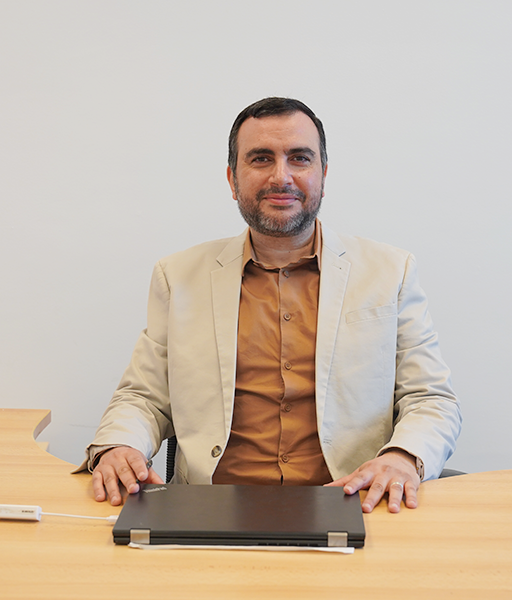


Prof. Walid Al-Atabany

Prof. Walid Al-Atabany

Associate Dean for UG Programs & Director of Centre for Informatics (CIS)

Faculty Building

UB1

Office Number

210

Biography

The academic journey of Prof. Walid Al-Atabany began with earning his Bachelor’s and Master’s degrees in Biomedical Engineering from Cairo University in 1999 and 2004, respectively. In 2010, he obtained his PhD in Biomedical Engineering from Imperial College London, UK. 

Following his PhD, Dr. Al-Atabany joined Newcastle University in the UK as a postdoctoral research associate for two years, where he worked within the research group focusing on visual prosthetics and assistive technologies for the visually impaired, enriching his expertise in this domain. 

Currently, Dr. Walid Al-Atabany holds the position of Professor of Biomedical Engineering at the School of Information Technology and Computer Science (ITCS) at Nile University, Egypt. He also serves as the Director of the Center for Informatics Science (CIS) and as the Vice Dean for Academic Programs at the ITCS School. 

Dr. Al-Atabany’s research interests are highly interdisciplinary, with a primary focus on developing assistive technologies for individuals with visual impairments, particularly in artificial vision and enhancing visual scenes for patients with retinal disorders. His research further extends to artificial intelligence, computer vision, medical signal analysis, and the development of smart healthcare management systems. 

Dr. Al-Atabany has an outstanding scientific record, with over 90 research papers published in prestigious international journals and conferences, achieving more than 6000 citations. 

In recognition of his research contributions, Dr. Walid Al-Atabany has received numerous awards and grants, including the prestigious Research Excellence Award from Helwan University in 2021, and the Prof. Hazem Ezzat Scientific Excellence Award from Nile University in 2023. He was recognized as one of the top 40 researchers with the highest field impact at Helwan University in 2023. He has also been a recipient of two Newton-Mosharafa grants from the British Council in 2015 and 2016, as well as the travel grant from the ARVO Foundation for Eye Research  in 2010, Maryland. 

Achievements
  1. Prof. Walid Al-Atabany has receive the Prof. Hazem Ezzat award for the Outstanding Faculty Researcher from Nile University in 2023.
  2. He also earned the Scientific Excellence Award for having excellent record of international publications, 2021.
  3. He received a 2-year Newton institutional link grant from the British Council to conduct joint research with the School of Electrical and Electronic Engineering at Newcastle University in 2016.
  4. He was awarded a 6-month prestigious Newton travel grant from the British Council to conduct joint research at Newcastle University in 2015.
  5. He won the 2nd prize award from the 2nd Symposium of the Neuroscience Technology Network (NTN2009).
Recent Publications
Conference Paper

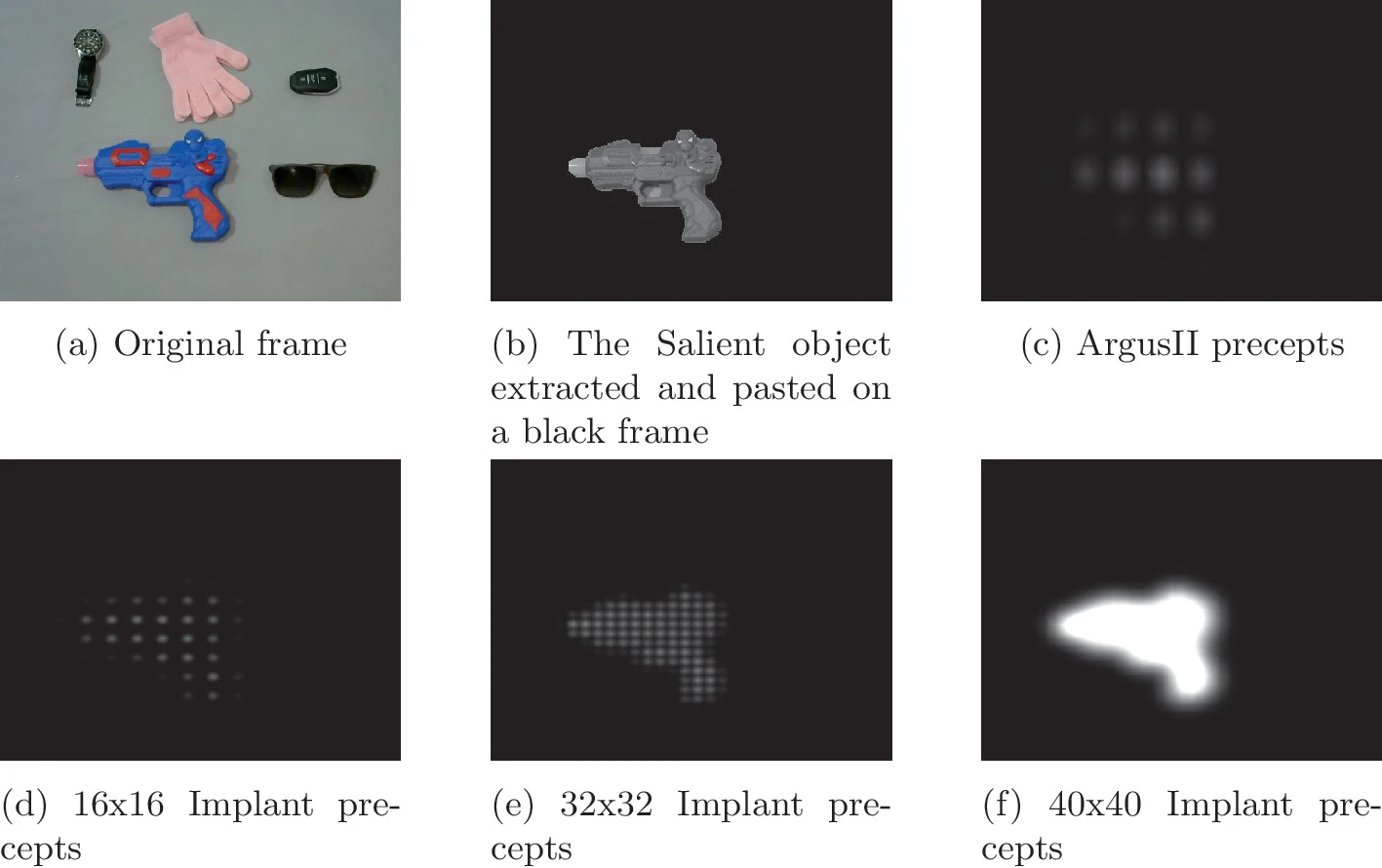
Smart Saliency Detection for Prosthetic Vision

People with visual impairments often have difficulty locating misplaced objects. This can be a major barrier to their independence and quality of life. Retinal prostheses can restore some vision to people with severe vision loss. We introduce a novel real-time system for locating any misplaced objects for people with visual impairments using retinal prostheses. The system combines One For All (OFA

Artificial Intelligence
Circuit Theory and Applications
Agriculture and Crops
Conference Paper

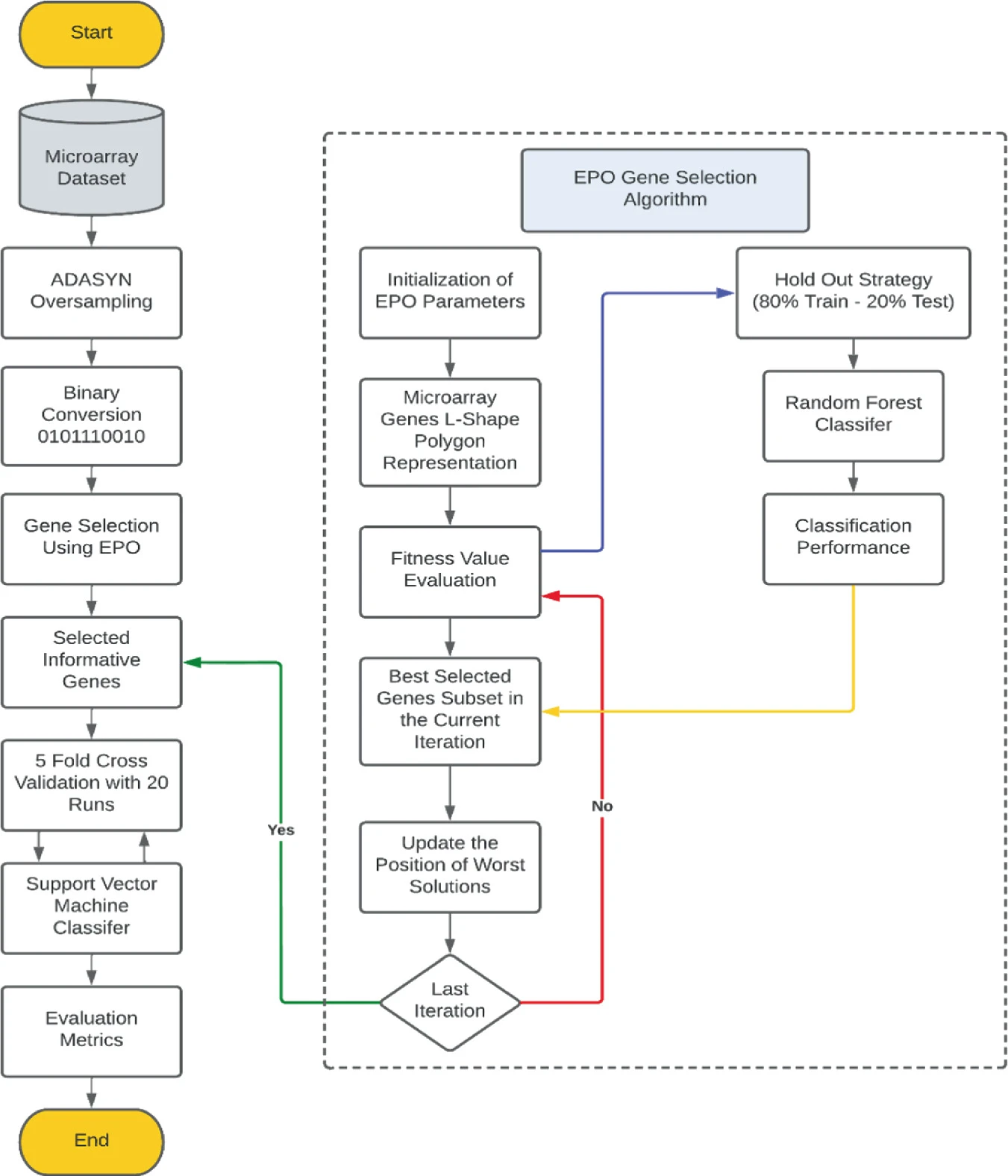
Computational Microarray Gene Selection Model Using Metaheuristic Optimization Algorithm for Imbalanced Microarrays Based on Bagging and Boosting Techniques

Genomic microarray databases encompass complex high dimensional gene expression samples. Imbalanced microarray datasets refer to uneven distribution of genomic samples among different contributed classes which can negatively affect the classification performance. Therefore, gene selection from imbalanced microarray dataset can give rise to misleading, and inconsistent nominated genes that would

Artificial Intelligence
Healthcare
Circuit Theory and Applications
Software and Communications
Conference Paper

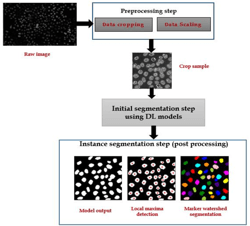
A comparative study for nuclei segmentation using latest deep learning optimizers

Nuclei segmentation is a critical task in biological image analysis, with numerous applications in cancer diagnosis, grading, staging, and treatment planning. However, this task is challenging, particularly when dealing with low-resolution and low signal-to-noise ratio microscopy images. Segmentation problems arise, such as touching and missing cells, which make the process even more challenging

Artificial Intelligence
Healthcare
Circuit Theory and Applications
Software and Communications
Conference Paper

Integrated Analysis of Bulk and Single-Cell Transcriptomics in Cervical Cancer: Insights into BPGM, EGLN3, and SUN1

Cervical cancer (CC) is considered a significant global health threat to women therefore there is a need for personalized treatment strategy based on individual-specific gene expression patterns to enhance recovery and survival rates. Although a few studies have linked bisphosphoglycerate mutase (BPGM) expression with CC, its precise role in CC progression remains unclear. In this study, we

Artificial Intelligence
Healthcare
Circuit Theory and Applications
Software and Communications
Conference Paper

Differentiation Between Normal and Abnormal Functional Brain Connectivity Using Non-directed Model-Based Approach

Brain Connectivity refers to networks of functional and anatomical connections found throughout the brain. Multiple neural populations are connected by intricate connectivity circuits and interact with one another to exchange information, synchronize their activity, and participate in the accomplishment of complex cognitive tasks. Issues about how various brain regions contribute to cognition and

Artificial Intelligence
Circuit Theory and Applications
Software and Communications
Conference Paper

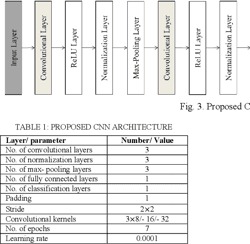
Classification of Autism Spectrum Disorder using Convolutional Neural Networks from Neuroimaging Data

Current Autism Spectrum Disorder (ASD) diagnosis methods exhibit some limitations as they are based on clinical interviews and observations of behaviors, characteristics, and abilities. Moreover, considering the current challenges in identifying the causes and mechanisms associated with ASD, there is an essential need for automated techniques capable of providing an accurate classification between

Artificial Intelligence
Healthcare
Circuit Theory and Applications
Software and Communications
Journal

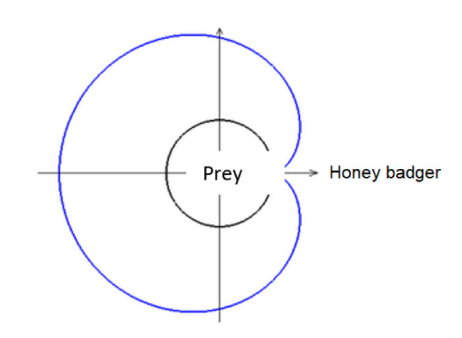
Honey Badger Algorithm: New metaheuristic algorithm for solving optimization problems

Recently, the numerical optimization field has attracted the research community to propose and develop various metaheuristic optimization algorithms. This paper presents a new metaheuristic optimization algorithm called Honey Badger Algorithm (HBA). The proposed algorithm is inspired from the intelligent foraging behavior of honey badger, to mathematically develop an efficient search strategy for

Circuit Theory and Applications
Journal

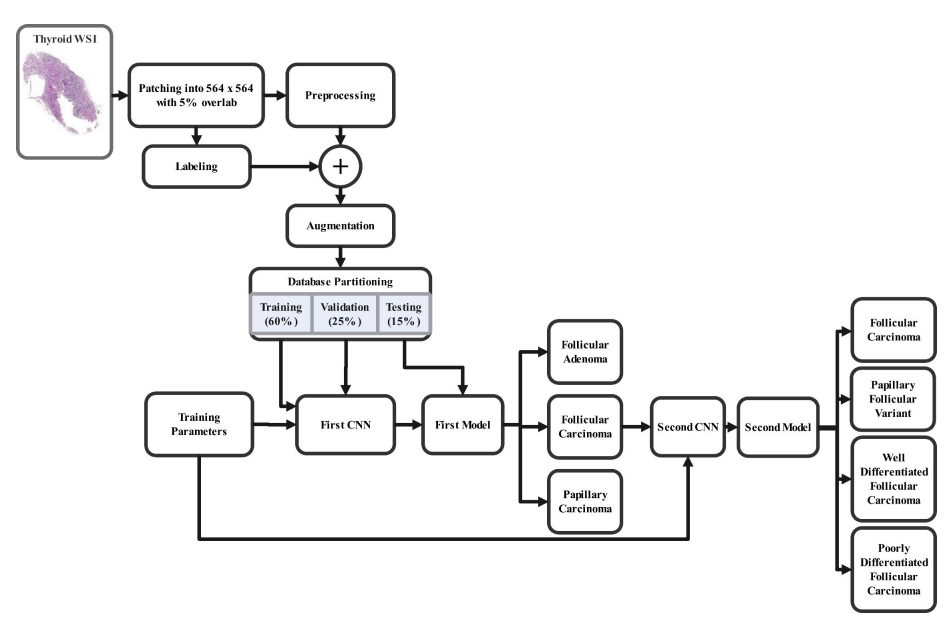
Classification of Thyroid Carcinoma in Whole Slide Images Using Cascaded CNN

The objective of this research is to build a 'Whole Slide Images' classification system using Convolutional Neural Network (CNN). This system is capable of classifying Thyroid tumors into three types: Follicular adenoma, follicular carcinoma, and papillary carcinoma. Furthermore, the cascaded CNN technique is additionally employed to classify the classified follicular carcinoma into four

Artificial Intelligence
Healthcare
Journal

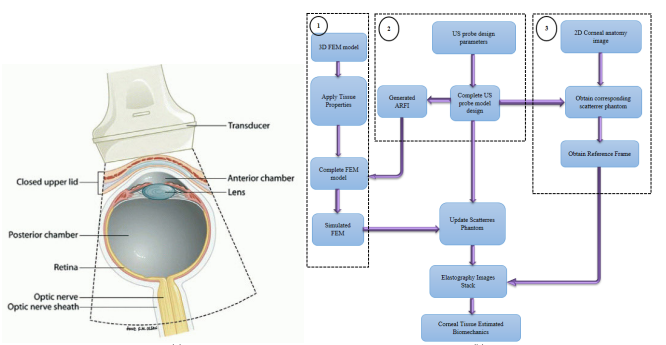
Corneal Biomechanics Assessment Using High Frequency Ultrasound B-Mode Imaging

Assessment of corneal biomechanics for pre- and post-refractive surgery is of great clinical importance. Corneal biomechanics affect vision quality of human eye. Many factors affect corneal biomechanics such as, age, corneal diseases and corneal refractive surgery. There is a need for non-invasive in-vivo measurement of corneal biomechanics due to corneal shape preserving as opposed to ex-vivo

Artificial Intelligence
Research Tracks
  • Assistive and Augmented Vision Systems for the Visually Impaired 

  • Medical Image Processing and AI for Diagnostic Applications 

  • Machine Learning and Computational Intelligence in Biomedical Engineering 

  • Human-Machine Interaction and Sensory Substitution for Accessibility 

  • Intelligent Clinical Engineering and Data-Driven Hospital Management Systems 
Projects
IMG
Research Project

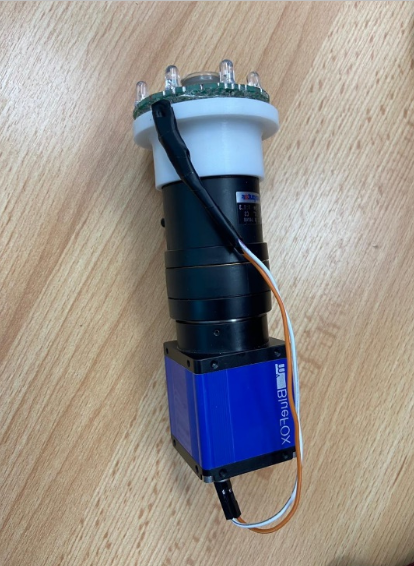
Portable Ophthalmoscope for Telemedicine Retinopathy of Prematurity (ROP) Screening in Egypt

Few diseases affect human life and personal destinies more than the loss of the ability to see. In adults, visual impairment is associated with a loss of personal independence inducing large personal and societal costs. According to the World Health Organization, 39 million people are legally blind. In Egypt, there are almost 1 million individuals (~1% of the population) with sight loss. The